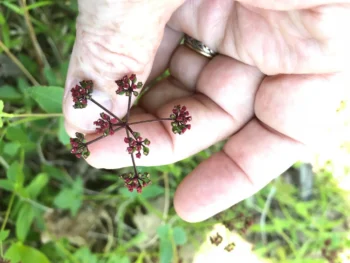
Purple Meadowparsnip: A Hidden Gem for Shade Gardens
If you’re looking to add some native charm to your shaded garden spaces, purple meadowparsnip might just be the understated beauty you’ve been searching for. Don’t let the name fool you—this delightful wildflower brings subtle elegance and ecological value to any naturalized landscape.
What Is Purple Meadowparsnip?
Purple meadowparsnip (Thaspium trifoliatum var. trifoliatum) is a native perennial forb that calls the eastern and southeastern United States home. As a member of the carrot family, this herbaceous wildflower produces cheerful clusters of tiny yellow flowers that dance above its foliage in late spring and early summer.
This charming native can be found growing naturally across 19 states, from Pennsylvania down to Florida and as far west as Kansas and Louisiana. It’s a true child of American woodlands, having evolved alongside our native ecosystems for thousands of years.
- Species observed
- No observations
Why Consider Purple Meadowparsnip for Your Garden?
There are several compelling reasons to welcome this native wildflower into your landscape:
- Native credentials: As a true native species, it supports local wildlife and fits naturally into regional ecosystems
- Low maintenance: Once established, this perennial requires minimal care and comes back year after year
- Pollinator support: The small yellow flower clusters attract beneficial insects, small bees, and flies
- Shade tolerance: Perfect for those tricky shaded areas where many flowering plants struggle
- Naturalized beauty: Adds authentic woodland character to native plant gardens
A Word About Rarity
If you’re gardening in New Jersey, take note: purple meadowparsnip has a rarity status of Highlands Listed, S3 in the Garden State. This means it’s considered uncommon to rare in that region. While this makes it even more special to grow, it also means you should source your plants responsibly from reputable native plant nurseries rather than collecting from wild populations.
Where Does Purple Meadowparsnip Shine?
This versatile native works beautifully in several garden settings:
- Woodland gardens: Perfect understory companion for native trees and shrubs
- Shade gardens: Brings blooms to areas where sun-loving flowers won’t thrive
- Naturalized areas: Ideal for creating authentic native plant communities
- Wildlife gardens: Supports beneficial insects and adds to biodiversity
Growing Purple Meadowparsnip Successfully
The good news is that purple meadowparsnip isn’t particularly fussy once you understand its preferences:
Ideal Growing Conditions
- Light: Partial shade to full shade (mimicking its natural woodland habitat)
- Soil: Moist to moderately dry, organic-rich soil
- Climate: Hardy in USDA zones 5-9
- Moisture: Consistent moisture preferred, but tolerates some drought once established
Planting and Care Tips
Getting purple meadowparsnip established in your garden is straightforward:
- Plant in spring or fall when temperatures are moderate
- Choose a location with morning sun and afternoon shade, or dappled light throughout the day
- Amend heavy clay soils with compost to improve drainage
- Water regularly the first growing season to help establish roots
- Apply a thin layer of organic mulch to retain moisture and suppress weeds
- Allow plants to self-seed for natural colonies (if desired)
What to Expect
Purple meadowparsnip won’t overwhelm your garden with bold colors or dramatic height—and that’s part of its charm. This modest perennial typically reaches 1-3 feet tall and spreads slowly to form small colonies over time. The delicate yellow flower clusters appear in late spring to early summer, followed by small seeds that may self-sow in favorable conditions.
The Bottom Line
Purple meadowparsnip represents the quiet beauty of our native flora. While it may not grab attention like flashier garden stars, it offers something more valuable: authentic connection to local ecosystems and reliable performance in challenging shaded sites. For gardeners committed to native plants and supporting biodiversity, this understated wildflower deserves serious consideration.
Just remember to source your plants responsibly, especially if you’re in areas where it’s considered rare. Your local native plant society or extension office can point you toward reputable suppliers who propagate rather than collect from wild populations.