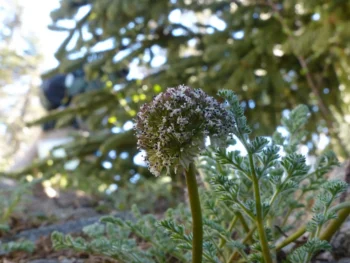
Purple Mountainparsley: A Rare Alpine Treasure Worth Protecting
Meet Purple Mountainparsley (Oreonana purpurascens), one of California’s most elusive and endangered native plants. This delicate perennial forb might not be a household name, but it’s a botanical treasure that deserves our attention and protection. If you’re thinking about adding this beauty to your garden, there are some important things you should know first.
What Makes Purple Mountainparsley Special?
Purple Mountainparsley is a native California perennial that belongs to the carrot family. As a forb, it’s an herbaceous plant without woody stems, featuring delicate, finely divided foliage that gives it an almost fern-like appearance. The small white to pinkish flowers bloom in characteristic umbrella-shaped clusters called umbels, creating a subtle but charming display in its natural mountain habitat.
Where Does It Call Home?
This rare gem is found exclusively in California’s high mountain regions, particularly in the Sierra Nevada. It’s what botanists call an endemic species – meaning it exists nowhere else on Earth. Purple Mountainparsley thrives in alpine and subalpine environments, typically growing in rocky, well-draining soils at high elevations where few other plants can survive.
- Species observed
- No observations
A Plant in Peril
Here’s where things get serious: Purple Mountainparsley has a Global Conservation Status of S2, which means it’s imperiled. With typically only 6 to 20 known occurrences and somewhere between 1,000 to 3,000 individual plants remaining in the wild, this species is walking a tightrope toward extinction. Climate change, habitat loss, and the plant’s extremely limited range make it especially vulnerable.
Should You Grow Purple Mountainparsley?
While we absolutely encourage growing native plants, Purple Mountainparsley presents a unique situation. Due to its imperiled status, we recommend extreme caution. If you’re determined to grow this species, please consider these important points:
- Only obtain plants or seeds from reputable sources that practice responsible collection
- Never collect from wild populations
- Consider this plant only if you’re an experienced gardener with expertise in alpine plants
- Participate in conservation efforts rather than casual cultivation
Growing Conditions and Care
If you’re working with conservation organizations or are a specialist in alpine plants, here’s what Purple Mountainparsley needs to thrive:
- Climate: Cool mountain conditions, likely hardy in USDA zones 5-8
- Soil: Excellent drainage is absolutely critical – think rocky, gravelly soils
- Sunlight: Full sun to partial shade, as found in its alpine habitat
- Water: Minimal water needs once established, drought-tolerant
- Garden style: Best suited for specialized alpine gardens, rock gardens, or conservation collections
Benefits to Wildlife
In its natural habitat, Purple Mountainparsley serves as an important nectar source for native pollinators, particularly small native bees and other beneficial insects that have co-evolved with California’s alpine flora. Every plant plays a crucial role in maintaining the delicate balance of high-elevation ecosystems.
Better Alternatives for Your Garden
Instead of trying to grow this rare species, consider these more common California native alternatives that offer similar benefits without conservation concerns:
- California parsley (Perideridia californica)
- Ranger’s buttons (Sphenosciadium capitellatum)
- Other native umbellifers that are more widely distributed
The Bottom Line
Purple Mountainparsley is undoubtedly a fascinating and beautiful native plant, but its rarity makes it more suited for conservation efforts than casual gardening. If you’re passionate about protecting California’s native flora, consider supporting organizations that work to preserve alpine habitats or participating in citizen science projects that monitor rare plant populations. Sometimes the best way to love a plant is to let it thrive in its natural home while we work to protect that home for future generations.
Remember, every native plant in our gardens makes a difference – even if it’s not the rarest one on the mountain!