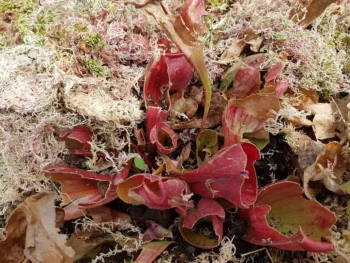
Purple Pitcherplant: A Fascinating Native Carnivore for Your Garden
Meet one of nature’s most intriguing plants: the purple pitcherplant (Sarracenia rosea). This remarkable native carnivorous plant brings both beauty and biological wonder to gardens across the southeastern United States. With its distinctive pitcher-shaped leaves and fascinating feeding habits, this perennial forb offers something truly special for adventurous gardeners.
What Makes Purple Pitcherplant Special
The purple pitcherplant is a true native treasure, naturally occurring in Alabama, Florida, Georgia, Louisiana, and Mississippi. As a perennial forb, it lacks woody tissue but returns year after year, making it a reliable addition to the right garden setting. You might also find it listed under its synonym Sarracenia purpurea var. burkii in some plant catalogs.
This carnivorous beauty has evolved an incredible adaptation: its modified leaves form deep pitchers that trap insects, which the plant then digests for nutrients. The pitchers display gorgeous purple and red coloring that intensifies in bright sunlight, creating a striking architectural element in the garden.
- Species observed
- No observations
Where and How to Grow Purple Pitcherplant
Purple pitcherplant thrives in USDA hardiness zones 6-9, making it suitable for much of the southeastern region where it naturally occurs. However, this isn’t your typical garden plant—it has some very specific needs that reflect its native wetland habitat.
Essential Growing Conditions
As an obligate wetland plant, purple pitcherplant almost always occurs in wetlands in both the Atlantic and Gulf Coastal Plain regions and the Eastern Mountains and Piedmont. This means it absolutely requires:
- Constantly moist to wet, acidic soil
- Full sun to partial shade (full sun brings out the best coloring)
- High humidity
- Distilled water or rainwater only—tap water can harm the plant
- Acidic growing medium like sphagnum moss or peat
Perfect Garden Settings
Purple pitcherplant works beautifully in:
- Bog gardens and water features
- Rain gardens with consistently moist conditions
- Native plant gardens focused on wetland species
- Specialty carnivorous plant collections
- Container gardens with proper drainage and watering
Planting and Care Tips
Success with purple pitcherplant comes down to mimicking its natural wetland environment. Plant it in a mix of sphagnum moss and perlite, and keep the soil consistently saturated. During the growing season, maintain water levels in saucers beneath containers, but allow for some drainage to prevent stagnation.
These plants need a winter dormancy period with cooler temperatures, so don’t worry when growth slows in fall and winter—this is natural and necessary for the plant’s health.
Important Conservation Consideration
Purple pitcherplant has a Global Conservation Status that suggests some conservation concern. If you’re interested in growing this fascinating native, please ensure you source plants from reputable nurseries that propagate them responsibly rather than collecting from wild populations.
Benefits for Wildlife and Pollinators
Beyond its insect-catching abilities, purple pitcherplant produces interesting flowers that attract various pollinators, including flies and small bees. The plant plays a unique role in wetland ecosystems, and by growing it in appropriate garden settings, you’re supporting native biodiversity.
Is Purple Pitcherplant Right for Your Garden?
This plant is perfect for gardeners who love unique, conversation-starting plants and can provide the specialized growing conditions it requires. It’s not suitable for typical garden beds but shines in bog gardens, water features, or as part of a native wetland plant collection.
If you’re drawn to the idea of growing a native carnivorous plant and can commit to its specific care requirements, purple pitcherplant offers an unmatched combination of beauty, biological interest, and native plant value. Just remember to source it responsibly and provide the consistently moist, acidic conditions it needs to thrive.