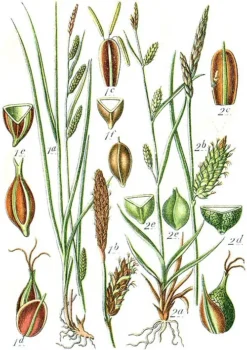
Purple Sedge: A Rare Native Gem for Your Garden
If you’re looking to add some authentic native charm to your landscape, purple sedge might just be the understated beauty you’ve been searching for. This perennial sedge brings a subtle elegance to gardens while supporting local ecosystems – though there are some important things to know before you start planting.
What is Purple Sedge?
Purple sedge (Carex purpurifera) is a native perennial sedge that belongs to the grass-like plant family. Don’t let the grass-like description fool you into thinking it’s just another boring lawn substitute – sedges have their own unique character and charm that sets them apart from typical grasses.
You might occasionally see this plant listed under its scientific synonym, Carex laxiflora var. purpurifera, but purple sedge is the name that’ll serve you best when hunting for it at native plant sales.
Where Does Purple Sedge Call Home?
This native beauty has made its home across several southeastern and mid-Atlantic states, including Alabama, Georgia, Kentucky, North Carolina, Ohio, Tennessee, and Virginia. It’s a true native to the lower 48 states, which means it has co-evolved with local wildlife and growing conditions for thousands of years.
- Species observed
- No observations
The Rarity Factor: Why You Should Care
Here’s where things get important: purple sedge isn’t your run-of-the-mill native plant. In Alabama, it carries an S2 rarity status, which means it’s considered uncommon and potentially vulnerable. This doesn’t mean you can’t grow it – in fact, growing rare natives in your garden can be a wonderful way to help conserve them – but it does mean you need to be thoughtful about where you source your plants.
Always purchase purple sedge from reputable native plant nurseries that propagate their own stock rather than wild-collecting. This ensures you’re helping conservation efforts rather than potentially harming wild populations.
Why Choose Purple Sedge for Your Garden?
As a perennial, purple sedge offers several benefits for the conscientious gardener:
- It’s a true native that supports local ecosystems
- Perennial nature means it comes back year after year
- Low-maintenance once established
- Adds texture and natural movement to garden beds
- Helps preserve a species that’s becoming uncommon in some areas
Growing Purple Sedge Successfully
Unfortunately, specific growing requirements for purple sedge aren’t widely documented, which is often the case with rarer native plants. However, as a native sedge from the southeastern and mid-Atlantic regions, you can make some educated assumptions about its needs:
- Likely prefers partial shade to full shade conditions
- Probably appreciates consistent moisture
- Should thrive in USDA zones where it’s naturally found (approximately zones 5-8)
- May prefer rich, organic soils typical of woodland environments
A Word of Caution and Encouragement
Because purple sedge is uncommon and specific growing information is limited, this might not be the best choice for beginning native plant gardeners. However, if you’re experienced with native plants and want to contribute to conservation efforts, growing this rare sedge could be a rewarding challenge.
Before planting, connect with local native plant societies or extension offices in your area. They may have specific insights about growing purple sedge in your region and can direct you to ethical sources.
The Bottom Line
Purple sedge represents the kind of native plant that makes gardening feel meaningful – you’re not just creating beauty, you’re participating in conservation. While it may require a bit more detective work to source and grow successfully, the reward of nurturing a rare native species in your own backyard makes the effort worthwhile.
Just remember: responsible sourcing is key. When we garden thoughtfully with rare natives like purple sedge, we become partners in preserving biodiversity for future generations.