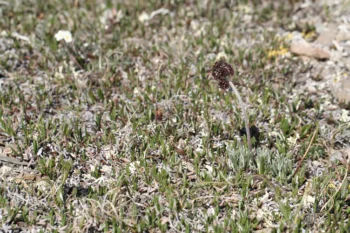
Purple Wormwood: A Rare Arctic Native Worth Protecting
If you’re dreaming of bringing a piece of the Arctic tundra to your garden, purple wormwood (Artemisia globularia) might just capture your imagination. This hardy little perennial is as tough as they come, thriving in some of North America’s most challenging climates where few other plants dare to grow.
What Makes Purple Wormwood Special
Purple wormwood is a native forb that calls the frigid regions of Alaska and Canada’s Yukon Territory home. Despite its common name suggesting purple hues, this plant actually produces charming globe-shaped yellow flower heads that sit atop silvery-gray foliage—a classic combination in the Artemisia family. As a perennial herb, it lacks the woody stems of shrubs but compensates with incredible cold tolerance and a low-growing habit perfect for harsh northern climates.
Where You’ll Find This Arctic Gem
This remarkable plant has carved out its niche in the extreme north, naturally occurring only in Alaska and Yukon. It’s perfectly adapted to the short growing seasons and brutal winters that define these regions, making it a true specialist of arctic and subarctic environments.
- Species observed
- No observations
A Word of Caution: Rarity Matters
Before you get too excited about adding purple wormwood to your garden, there’s something important to know. This species has a conservation status that suggests it may be uncommon or declining in parts of its range. If you’re determined to grow this arctic beauty, please ensure you source seeds or plants only from reputable suppliers who practice responsible collection methods. Never collect from wild populations.
Garden Design and Landscape Uses
Purple wormwood isn’t your typical garden center find, and that’s probably for the best. This plant truly shines in specialized settings:
- Rock gardens designed to mimic alpine or arctic conditions
- Cold-climate native plant gardens
- Educational or botanical garden displays featuring arctic flora
- Containers for gardeners wanting to experiment with extreme cold-hardy plants
Growing Conditions and Care
Here’s where things get interesting—and challenging. Purple wormwood is adapted to some of the harshest growing conditions on Earth, which makes it tricky to cultivate in more temperate climates:
- Hardiness: Thrives in USDA zones 1-3 (that’s seriously cold!)
- Sunlight: Full sun exposure
- Soil: Well-draining soil is essential; soggy conditions will likely kill it
- Water: Minimal water needs once established
- Climate: Requires cold winter temperatures for proper growth cycle
The Reality Check
Let’s be honest—unless you’re gardening in Alaska, northern Canada, or have access to specialized growing facilities, purple wormwood probably isn’t the right choice for your landscape. This plant has evolved for extreme conditions that are nearly impossible to replicate in warmer climates.
Pollinator and Wildlife Benefits
In its native range, purple wormwood likely provides resources for specialized arctic pollinators and may serve as habitat or food for cold-adapted wildlife. However, specific information about its ecological relationships is limited, highlighting just how much we still have to learn about these remote ecosystems.
The Bottom Line
Purple wormwood is a fascinating example of plant adaptation to extreme environments, but it’s not a practical choice for most gardeners. If you live in zones 4 and warmer, consider other native Artemisia species that are better suited to your climate. For those lucky enough to garden in the far north, this rare native could be a meaningful addition to a specialized collection—just remember to source it responsibly and appreciate its unique place in North America’s botanical heritage.
Sometimes the most valuable plants are the ones that remind us of the incredible diversity and specialization found in nature, even if we can only admire them from afar.