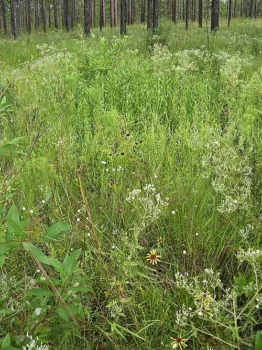
Purpledisk Honeycombhead: A Rare Gem for Wetland Gardens
Meet the purpledisk honeycombhead (Balduina atropurpurea), a charming yet increasingly rare native wildflower that deserves a spot in every southeastern gardener’s heart—and hopefully, their garden too. This delightful perennial brings late-season color to wet spots where many other plants fear to tread, making it both beautiful and practical for challenging garden areas.
What Makes This Plant Special
The purpledisk honeycombhead earned its whimsical common name from its distinctive flower structure. Picture small, bright yellow composite flowers adorned with deep purple centers that bloom from late summer through fall, creating a honeycomb-like pattern that’s absolutely captivating up close. This native perennial has been quietly gracing southeastern wetlands for generations, though sadly, it’s becoming harder to find in the wild.
Where It Calls Home
This southeastern native naturally occurs in Alabama, Florida, Georgia, North Carolina, and South Carolina. You’ll typically find it thriving in the coastal plain regions, where it has adapted perfectly to the unique growing conditions of wetlands, pond edges, and seasonally flooded areas.
- Species observed
- No observations
A Plant in Need of Our Help
Here’s where things get serious for a moment. The purpledisk honeycombhead carries a Global Conservation Status of S2, meaning it’s imperiled due to extreme rarity. With typically only 6 to 20 known occurrences remaining, this little beauty is especially vulnerable to disappearing entirely. In Alabama, it’s even rarer, classified as SH (historically known but possibly extirpated).
If you’re considering adding this plant to your garden—and we hope you will—please ensure you source it responsibly from reputable native plant nurseries that propagate their stock rather than wild-collecting. Never dig plants from the wild.
Perfect for Wet Spots
As a facultative wetland plant, purpledisk honeycombhead usually occurs in wetlands but can tolerate non-wetland conditions too. This makes it incredibly valuable for gardeners dealing with:
- Rain gardens
- Pond margins
- Seasonal wet areas
- Bioswales
- Native wetland restoration projects
Growing Conditions and Care
This adaptable perennial thrives in USDA hardiness zones 8-10, making it perfect for southeastern gardens. It prefers:
- Full sun to partial shade
- Consistently moist to wet soils
- Tolerance for seasonal flooding
- Natural, undisturbed soil conditions
The beauty of growing purpledisk honeycombhead lies in its low-maintenance nature once established. It’s naturally adapted to fluctuating water levels and doesn’t require fertilizers or amendments—just patience as it settles into its new home.
Wildlife and Pollinator Benefits
Late-blooming native wildflowers like purpledisk honeycombhead are absolute treasures for pollinators preparing for winter. The flowers attract butterflies, native bees, and other beneficial insects during a time when many other blooms have faded. By growing this plant, you’re providing crucial late-season resources for wildlife while helping preserve a rare species.
Garden Design Ideas
Consider incorporating purpledisk honeycombhead into:
- Native plant gardens focused on southeastern species
- Wetland-themed landscapes
- Naturalized wildflower meadows
- Conservation-focused gardens
- Rain gardens and bioretention areas
The Bottom Line
Should you plant purpledisk honeycombhead? Absolutely—if you can source it responsibly and have the right growing conditions. This rare native deserves our protection and cultivation. By growing it in appropriate garden settings, you’re not just adding a unique and beautiful plant to your landscape; you’re participating in conservation efforts and supporting biodiversity.
Every garden that successfully grows this imperiled species becomes a small sanctuary, helping ensure that future generations will get to enjoy the simple pleasure of discovering purpledisk honeycombhead’s cheerful blooms dancing above the water’s edge.