Purpleflower Blacksnakeroot: A Rare Hawaiian Treasure Worth Protecting
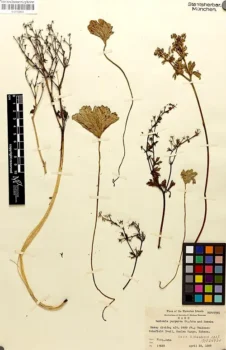
Meet purpleflower blacksnakeroot (Sanicula purpurea), one of Hawaii’s most precious—and precarious—native plants. This delicate perennial herb might not be the showiest plant in the garden, but it holds a special place in Hawaiian ecosystems and the hearts of native plant enthusiasts. If you’re lucky enough to encounter this rare beauty, you’re witnessing something truly special.
What Makes This Plant So Special?
Purpleflower blacksnakeroot is a charming little forb that produces clusters of tiny purple flowers in delicate umbrella-shaped arrangements called umbels. As a member of the carrot family, it shares that characteristic flower structure with its more familiar relatives, but its petite stature and subtle beauty make it uniquely Hawaiian.
This perennial herb lacks woody stems, instead growing as a soft-tissued plant that returns year after year from its root system. Don’t let its humble appearance fool you—this plant is a living piece of Hawaiian natural heritage.
A True Hawaiian Native
Sanicula purpurea is endemic to the Hawaiian Islands, meaning it exists nowhere else on Earth. This makes every individual plant incredibly valuable from a conservation standpoint. The species grows naturally in Hawaii’s native forests, where it has adapted to the unique climate and growing conditions found in these island ecosystems.
- Species observed
- No observations
The Conservation Reality: Handle with Care
Important Conservation Alert: Purpleflower blacksnakeroot is critically imperiled with a Global Conservation Status of S1 and is listed as Endangered. This means there are typically only five or fewer known populations, with very few remaining individuals in the wild.
If you’re considering growing this plant, please ensure any specimens come from responsibly sourced, ethically propagated material—never collect from wild populations. Better yet, consider supporting conservation organizations working to protect Hawaiian native plants in their natural habitats.
Growing Conditions and Care
Should you have access to ethically sourced purpleflower blacksnakeroot, here’s what this rare beauty needs to thrive:
Preferred Environment
- Climate: USDA Hardiness Zones 10-12 (tropical to subtropical)
- Moisture: Consistent moisture—it’s classified as a facultative wetland plant in Hawaii
- Light: Partial to full shade, mimicking its natural forest understory habitat
- Soil: Well-draining but moisture-retentive soil
Garden Role and Design Ideas
In the right setting, purpleflower blacksnakeroot makes an excellent addition to:
- Native Hawaiian restoration gardens
- Shaded woodland areas
- Conservation-focused landscapes
- Educational botanical displays
This plant works beautifully as an understory specimen, where its delicate flowers can be appreciated up close without competing with larger, showier plants.
Supporting Pollinators and Wildlife
While specific pollinator relationships for purpleflower blacksnakeroot aren’t well-documented, native Hawaiian plants like this one typically support native insects and contribute to the island’s delicate ecological web. By growing native plants, you’re helping maintain these important relationships.
The Bottom Line: Admire, Protect, and Support
Purpleflower blacksnakeroot represents both the beauty and fragility of Hawaii’s native flora. While most gardeners won’t have the opportunity to grow this rare species, we can all appreciate its importance and support conservation efforts.
If you’re passionate about Hawaiian native plants, consider these actions:
- Support local conservation organizations
- Choose other native Hawaiian plants for your garden
- Learn about and share the importance of endemic species
- Visit botanical gardens that showcase Hawaiian natives
Remember, sometimes the best way to love a rare plant is to protect it in its natural home while celebrating the many other wonderful native options available for our gardens.