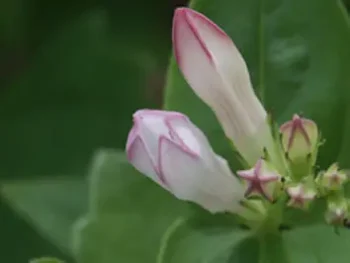
Purpleflower Pinkroot: A Rare Native Treasure Worth Protecting
Meet the purpleflower pinkroot (Spigelia gentianoides), one of the Southeast’s most endangered native wildflowers. This little-known perennial is a true botanical gem that deserves our attention—not just for its beauty, but for its precarious place in our natural world.
What Makes Purpleflower Pinkroot Special?
Purpleflower pinkroot is a native perennial forb, meaning it’s an herbaceous plant that dies back to the ground each winter and returns the following spring. Unlike woody shrubs or trees, this delicate wildflower puts all its energy into gorgeous blooms and a robust root system that helps it survive year after year.
The plant produces small, tubular purple flowers that are perfectly designed to attract butterflies and other pollinators. These blooms are the plant’s crowning glory, offering a pop of vibrant color in its natural woodland habitat.
Where Does It Call Home?
This rare beauty is native to just two states: Alabama and Florida. Its extremely limited range makes it a true regional treasure, found nowhere else in the world. Within these states, purpleflower pinkroot grows in specific habitat conditions that have become increasingly rare due to development and habitat loss.
- Species observed
- No observations
A Plant in Crisis
Here’s where things get serious: purpleflower pinkroot is critically imperiled with a Global Conservation Status of S1 and is listed as Endangered in the United States. This means there are typically only five or fewer known populations, with very few remaining individuals in the wild—often fewer than 1,000 total plants.
What does this mean for gardeners? If you’re considering adding this plant to your landscape, you must be extremely careful about sourcing. Never, ever collect plants from the wild, as this could push local populations closer to extinction.
Growing Purpleflower Pinkroot Responsibly
If you’re passionate about native plant conservation and want to help preserve this species, here’s what you need to know:
Sourcing Plants Responsibly
- Only purchase from reputable native plant nurseries that propagate from legally obtained seed
- Ask for documentation showing the plants were not wild-collected
- Consider participating in seed collection programs led by botanical institutions
- Never remove plants from wild populations
Ideal Growing Conditions
Based on its native habitat in Alabama and Florida, purpleflower pinkroot likely thrives in:
- USDA Hardiness Zones 8-9
- Partial shade conditions
- Well-draining soil typical of southeastern woodlands
- Consistent moisture without waterlogging
Garden Role and Design
This isn’t a plant for every garden. Purpleflower pinkroot is best suited for:
- Specialized native plant conservation gardens
- Rare plant collections maintained by experienced gardeners
- Educational landscapes focused on endangered species
- Butterfly gardens in its native range
Supporting Pollinators
Despite its rarity, purpleflower pinkroot plays an important role in supporting local pollinators. Its tubular purple flowers are particularly attractive to butterflies, which can insert their long proboscis to reach the nectar inside. By growing this plant responsibly, you’re helping maintain crucial pollinator resources.
The Bottom Line
Purpleflower pinkroot represents both an opportunity and a responsibility. While it’s a stunning addition to the right garden, its endangered status means we must approach cultivation with extreme care and respect. If you’re not in Alabama or Florida, or if you’re not committed to responsible sourcing and specialized care, consider supporting this species through donations to botanical conservation programs instead.
For gardeners in the Southeast who are up for the challenge, growing purpleflower pinkroot can be a meaningful way to participate in plant conservation while enjoying a truly unique native wildflower. Just remember: with great beauty comes great responsibility.