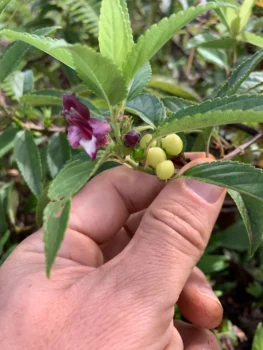
Purplefruit Stenogyne: A Rare Hawaiian Native Worth Protecting
If you’re passionate about native Hawaiian plants and conservation gardening, the purplefruit stenogyne (Stenogyne purpurea) might just capture your heart. This charming little Hawaiian endemic is more than just a pretty face – it’s a piece of living history that needs our help to survive.
Meet the Purplefruit Stenogyne
The purplefruit stenogyne is a perennial herb that belongs exclusively to the Hawaiian Islands. As a forb, it’s a non-woody vascular plant that stays relatively low to the ground, making it perfect for understory plantings or as a unique groundcover in native gardens.
This species is found only in Hawaii, where it grows naturally across the islands. However, don’t let its Hawaiian exclusivity fool you into thinking it’s common – this little beauty is actually quite rare.
- Species observed
- No observations
A Plant in Need: Conservation Status
Here’s where things get serious: purplefruit stenogyne has a Global Conservation Status of S3, meaning it’s considered vulnerable. With typically only 21 to 100 occurrences and between 3,000 to 10,000 individuals remaining, this plant is fighting for survival. If you’re considering adding it to your garden, please ensure you source it responsibly from reputable native plant nurseries or conservation programs.
Why Grow Purplefruit Stenogyne?
Despite its rarity (or perhaps because of it), there are compelling reasons to include this native in your Hawaiian garden:
- Support conservation efforts by providing habitat for a vulnerable species
- Create authentic native Hawaiian landscapes
- Attract native Hawaiian pollinators, including indigenous bees
- Add unique texture and form to rock gardens or native plant collections
- Contribute to biodiversity preservation in your own backyard
Growing Conditions and Care
Purplefruit stenogyne is surprisingly adaptable when it comes to moisture – it’s classified as facultative, meaning it can handle both wetland and non-wetland conditions. This flexibility makes it easier to incorporate into various garden settings.
For successful cultivation, provide:
- Well-draining soil (essential for preventing root rot)
- Partial shade to full sun exposure
- Moderate, consistent moisture
- Protection from strong winds
- USDA hardiness zones 10-12 (tropical and subtropical climates only)
Garden Design and Landscape Role
This herbaceous perennial works beautifully in:
- Native Hawaiian restoration gardens
- Conservation-focused landscapes
- Rock gardens with other Hawaiian natives
- Understory plantings beneath native trees
- Educational or botanical garden displays
A Responsible Choice
Growing purplefruit stenogyne isn’t just about adding another plant to your collection – it’s about participating in conservation. By choosing to grow this vulnerable native, you’re helping preserve Hawaiian botanical heritage for future generations. Just remember to source your plants responsibly and never collect from wild populations.
If you’re lucky enough to garden in Hawaii’s tropical paradise, consider giving this rare native a spot in your landscape. Your garden will become a small sanctuary for one of Hawaii’s precious endemic species, and you’ll be part of the solution in preserving Hawaii’s unique botanical legacy.