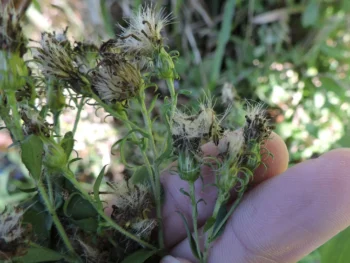
Purplestem Aster: A Rare Native Treasure for the Dedicated Gardener
Meet the purplestem aster (Symphyotrichum puniceum var. scabricaule), a native wildflower that’s definitely not your run-of-the-mill garden center find. This perennial herb represents a unique variety of aster that calls the American South home, and while it might not be the easiest plant to track down, it offers something special for gardeners who love supporting truly native flora.
Where You’ll Find This Southern Beauty
The purplestem aster is a native treasure of the southern United States, naturally occurring in Louisiana, Mississippi, and Texas. As a variety native to the lower 48 states, it has deep roots in American ecosystems and has been quietly doing its thing long before European settlement.
- Species observed
- No observations
What Makes It Special
This perennial forb belongs to the aster family and grows as a non-woody herbaceous plant. Unlike shrubs or trees, it lacks significant woody tissue above ground, making it a classic example of what botanists call a forb. You might also encounter it listed under its former scientific names, including Aster puniceus var. scabricaulis or Aster scabricaulis.
A Word of Caution: Rarity Matters
Here’s where things get interesting—and important. The purplestem aster carries a Global Conservation Status of S5T2, which suggests this variety may be of conservation concern. This means if you’re lucky enough to find it available, you’ll want to ensure you’re purchasing from reputable native plant nurseries that source their material responsibly.
This isn’t a plant to collect from the wild or to purchase from questionable sources. Instead, think of growing it as participating in conservation efforts right in your own backyard.
Should You Grow It?
The purplestem aster is perfect for:
- Native plant enthusiasts looking for something truly unique
- Gardeners in Louisiana, Mississippi, or Texas wanting to support local flora
- Conservation-minded folks who appreciate rare varieties
- Anyone creating authentic regional landscapes
However, this might not be the best choice if you’re looking for readily available plants with extensive growing information. The specific cultivation needs of this variety aren’t well-documented, making it more suitable for experienced native gardeners willing to experiment.
Growing Your Purplestem Aster
Unfortunately, detailed growing information specific to this variety is quite limited. As a southern native perennial, it likely appreciates conditions similar to its natural habitat in Louisiana, Mississippi, and Texas. However, without specific data on its preferred soil, moisture, and light conditions, growing this plant becomes a bit of an adventure.
If you do decide to grow purplestem aster, your best bet is to:
- Source plants only from reputable native plant nurseries
- Try to mimic natural growing conditions from its native range
- Connect with local native plant societies for growing tips
- Be patient and observant as you learn what works
The Bottom Line
The purplestem aster is definitely a plant for the native gardening aficionado rather than the casual gardener. Its rarity makes it a conservation-worthy choice, but the lack of readily available growing information means you’ll need to embrace some uncertainty. If you’re up for the challenge and can source it responsibly, this native variety offers the satisfaction of growing something truly special—a plant that represents the authentic flora of the American South.
For most gardeners interested in native asters, you might also consider exploring other Symphyotrichum species that are more readily available and have better-documented growing requirements, while still supporting native ecosystems in your region.