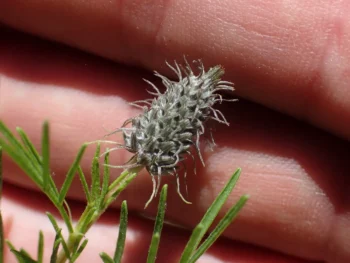
Purpletassels: A Rare Native Gem for Your Prairie Garden
If you’re looking to add a touch of wild prairie magic to your garden, purpletassels might just be the hidden treasure you’ve been searching for. This charming native wildflower, scientifically known as Dalea gattingeri, brings delicate beauty and important ecological value to landscapes across the southeastern United States.
What Makes Purpletassels Special?
Purpletassels is a perennial forb that belongs to the legume family. Unlike woody shrubs or trees, this herbaceous plant dies back to the ground each winter and returns with fresh growth in spring. The name purpletassels perfectly captures the plant’s most striking feature – dense, cylindrical flower clusters that look like tiny purple tassels dancing in the breeze.
You might also encounter this plant listed under its scientific synonym, Petalostemon gattingeri, in older gardening references or plant catalogs.
Where Does Purpletassels Call Home?
This native beauty has a relatively limited natural range, growing wild in Alabama, Arkansas, Georgia, Missouri, and Tennessee. It’s perfectly adapted to the limestone glades and prairie remnants of these southeastern and south-central states.
- Species observed
- No observations
A Word About Rarity
Important note for responsible gardeners: Purpletassels is considered rare in parts of its range, with conservation rankings of S2 in Arkansas and S3 in Alabama. If you’re interested in growing this special plant, please only purchase from reputable native plant nurseries that propagate their own stock rather than wild-collecting. Never harvest seeds or plants from wild populations.
Garden Appeal and Landscape Role
Don’t let its rarity fool you into thinking purpletassels is finicky – it’s actually quite adaptable once established. The plant produces clusters of small, purple-pink flowers that create a lovely textural contrast in the garden. Its silvery-green foliage provides a subtle backdrop that makes neighboring plants pop.
Purpletassels works beautifully in:
- Native plant gardens
- Prairie restoration projects
- Rock gardens
- Xeriscaped areas
- Naturalized meadow plantings
Pollinator Powerhouse
Like many members of the legume family, purpletassels is a pollinator magnet. Native bees, butterflies, and other beneficial insects flock to its nectar-rich flowers. As an added bonus, the plant’s roots form partnerships with nitrogen-fixing bacteria, actually improving soil health over time.
Growing Conditions and Care
Purpletassels thrives in USDA hardiness zones 5-8, making it suitable for most temperate gardens within its native range. Here’s what this prairie native needs to flourish:
Sunlight: Full sun is essential – at least 6-8 hours of direct sunlight daily
Soil: Well-draining soil is crucial. This plant naturally grows in limestone areas, so it prefers alkaline conditions but can adapt to neutral soils. Heavy clay or constantly moist soils are not suitable.
Water: Extremely drought tolerant once established. In fact, too much water can be harmful, so avoid overwatering.
Planting and Maintenance Tips
The good news for busy gardeners is that purpletassels is refreshingly low-maintenance:
- Plant in spring after the last frost
- Space plants 12-18 inches apart
- Water regularly the first year to establish roots, then reduce watering
- No fertilizer needed – remember, this plant fixes its own nitrogen!
- Deadhead spent flowers to prevent excessive self-seeding, or leave them for wildlife
- Cut back to ground level in late fall or early spring
The Bottom Line
Purpletassels offers gardeners a unique opportunity to grow a rare native plant that supports local ecosystems while adding understated beauty to the landscape. Its drought tolerance and low maintenance requirements make it perfect for sustainable gardening practices. Just remember to source your plants responsibly to help protect wild populations of this special prairie gem.
If you can provide the right conditions – full sun, good drainage, and a hands-off approach to watering – purpletassels will reward you with years of delicate blooms and the satisfaction of growing a truly special native plant.