Pygmy Bladderpod: A Tiny Treasure for Rocky Mountain Gardens
If you’re looking for a petite native plant that packs a punch in challenging growing conditions, meet the pygmy bladderpod (Lesquerella parvula). This little charmer might not win any height contests, but what it lacks in stature, it makes up for in resilience and understated beauty.
What Is Pygmy Bladderpod?
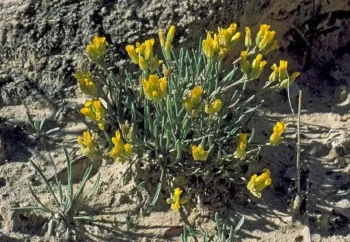
Pygmy bladderpod is a perennial forb native to the high-elevation regions of Colorado, Utah, and Wyoming. As its name suggests, this is a diminutive plant that stays close to the ground, forming compact mats of silvery-green foliage topped with cheerful yellow flowers in spring. Don’t let the bladderpod part put you off – it simply refers to the inflated seed pods that develop after flowering, which are actually quite charming in their own right.
This hardy native grows naturally in Colorado, Utah, and Wyoming, typically in rocky, mountainous terrain where few other plants dare to venture. It’s perfectly adapted to the harsh conditions of the American West, making it an excellent choice for gardeners in these regions who want to work with nature rather than against it.
- Species observed
- No observations
Why Grow Pygmy Bladderpod?
There are several compelling reasons to consider adding this native gem to your garden:
- Drought tolerance: Once established, pygmy bladderpod can handle extended dry periods without batting an eye
- Low maintenance: This is a plant it and forget it kind of species
- Pollinator friendly: The small yellow flowers attract native bees and other beneficial insects
- Authentic regional character: Perfect for creating landscapes that reflect the natural beauty of the Rocky Mountain region
- Problem solver: Ideal for those challenging spots where other plants struggle
Perfect Garden Settings
Pygmy bladderpod isn’t for every garden, but it absolutely shines in the right setting. This plant is tailor-made for:
- Rock gardens: Its compact size and drought tolerance make it perfect for tucking between stones
- Alpine gardens: Recreate high-mountain meadow conditions in your backyard
- Native plant gardens: An authentic choice for regional native landscapes
- Xeriscapes: Essential for water-wise landscaping in arid regions
- Slope plantings: Helps stabilize soil on challenging terrain
Growing Conditions and Care
The secret to success with pygmy bladderpod is simple: think like a mountain! This plant thrives in conditions that would stress many garden favorites.
Sunlight: Full sun is essential – at least 6-8 hours of direct sunlight daily
Soil: Well-drained soil is absolutely critical. Clay soils and areas that stay moist will likely kill this plant. Sandy, gravelly, or rocky soils are perfect. Don’t worry about soil fertility – this tough customer actually prefers lean conditions.
Water: Once established (usually after the first year), pygmy bladderpod rarely needs supplemental watering. Overwatering is more dangerous than drought for this species.
Climate: Hardy in USDA zones 4-7, this plant can handle serious cold but may struggle in hot, humid conditions.
Planting and Establishment Tips
Getting pygmy bladderpod off to a good start requires mimicking its natural habitat:
- Timing: Plant in spring after the last frost or in early fall
- Soil preparation: If your soil doesn’t drain well naturally, create raised beds or add plenty of coarse sand and gravel
- Spacing: Give plants about 12-18 inches of space to spread
- Initial care: Water lightly during the first growing season to help establish roots, then gradually reduce watering
- Mulching: Use gravel or stone mulch rather than organic mulches, which can retain too much moisture
Is Pygmy Bladderpod Right for Your Garden?
Pygmy bladderpod is definitely a specialist plant. It’s perfect if you live in its native range (Colorado, Utah, or Wyoming) and have challenging, dry, sunny conditions where other plants struggle. It’s also wonderful for gardeners who appreciate subtle beauty and want to support local ecosystems.
However, this might not be the plant for you if you’re looking for showy flowers, prefer lush green landscapes, or garden in humid climates. It also requires excellent drainage, so gardens with heavy clay soil would need significant amendments.
For the right gardener in the right location, pygmy bladderpod offers a unique opportunity to grow a truly local native that’s perfectly adapted to challenging western conditions. It’s a small plant with a big personality – and sometimes, that’s exactly what a garden needs.