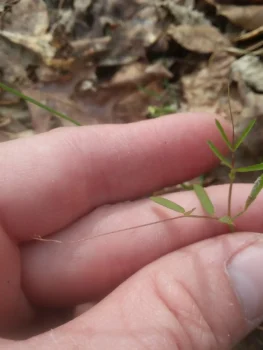
Pygmyflower Vetch: A Delicate Native Annual for Natural Gardens
If you’re looking for a charming native plant that quietly adds beauty to your natural landscape, pygmyflower vetch (Vicia minutiflora) might be just the ticket. This unassuming little annual brings delicate blooms and nitrogen-fixing benefits to gardens across the southeastern United States, proving that sometimes the smallest players make the biggest difference.
What is Pygmyflower Vetch?
Pygmyflower vetch is a native annual herb belonging to the pea family (Fabaceae). As its common name suggests, this plant produces tiny flowers that are easily overlooked but absolutely charming when you take a closer look. True to its scientific name, Vicia minutiflora literally means small-flowered vetch, and it lives up to this description with delicate purple-pink blooms that measure just a few millimeters across.
This native forb lacks woody tissue above ground, making it a true herbaceous annual that completes its entire life cycle in a single growing season. You might also encounter this plant listed under its botanical synonyms, including Vicia micrantha and Vicia reverchonii, but they all refer to the same delightful little wildflower.
Where Does Pygmyflower Vetch Grow Naturally?
Pygmyflower vetch is native to the southeastern United States, where it naturally occurs across ten states: Alabama, Arkansas, Florida, Georgia, Louisiana, Mississippi, Missouri, Oklahoma, Tennessee, and Texas. This distribution spans multiple ecological regions, from the humid coastal plains to the drier uplands of the Great Plains.
- Species observed
- No observations
The plant shows remarkable adaptability to different moisture conditions depending on the region. In coastal areas and the eastern mountains, it can handle both wet and dry sites, while in the Great Plains and Midwest regions, it sticks to well-drained upland areas.
Why Grow Pygmyflower Vetch?
While pygmyflower vetch might not win any awards for showstopping blooms, it offers several compelling reasons to include it in your native plant palette:
- Native heritage: Supporting indigenous plant species helps preserve local ecosystems and provides authentic habitat for native wildlife
- Nitrogen fixing: Like other legumes, this plant forms partnerships with soil bacteria to convert atmospheric nitrogen into forms that benefit surrounding plants
- Low maintenance: Once established, it requires minimal care and can self-seed for future seasons
- Pollinator support: The small flowers attract beneficial insects, including native bees and other pollinators
- Naturalistic appeal: Perfect for gardeners who prefer subtle, natural-looking landscapes over bold, ornamental displays
Garden Design and Landscape Uses
Pygmyflower vetch works best in naturalized settings where its modest stature and self-seeding habit can shine. Consider using it in:
- Native wildflower meadows
- Prairie restoration projects
- Natural groundcover areas
- Edges of woodland gardens
- Low-maintenance landscape zones
Don’t expect this plant to be the star of your flower border. Instead, think of it as a supporting player that adds ecological value and subtle beauty to mixed native plantings. Its fine texture and small flowers create a lovely backdrop for more prominent wildflowers.
Growing Conditions and Care
One of pygmyflower vetch’s best qualities is its adaptability. This tough little annual thrives in USDA hardiness zones 6-9, making it suitable for most southeastern gardens. Here’s what it needs to succeed:
Soil Requirements
- Well-drained soils (essential in northern and western parts of its range)
- Tolerates poor, sandy, or clay soils
- pH adaptable, though neutral to slightly alkaline is preferred
- Can handle both fertile and nutrient-poor conditions
Light and Water
- Full sun to partial shade
- Drought tolerant once established
- In coastal regions, can handle occasional wet conditions
- Minimal watering needed after germination
Planting and Propagation Tips
Growing pygmyflower vetch is refreshingly straightforward. As an annual, it’s typically grown from seed rather than transplants:
- Timing: Sow seeds in fall for spring germination, or plant in early spring after the last frost
- Seed preparation: Like many legumes, seeds may benefit from light scarification or overnight soaking before planting
- Planting depth: Plant seeds about 1/4 inch deep
- Spacing: Scatter seeds broadly for naturalized areas, or space 6-8 inches apart for more controlled plantings
- Germination: Seeds typically germinate within 1-2 weeks under favorable conditions
Maintenance and Long-term Care
Once established, pygmyflower vetch requires minimal attention. Allow plants to complete their life cycle and drop seeds for next year’s generation. You can collect seeds in late spring or early summer if you want to expand plantings to new areas.
Avoid fertilizing heavily, as legumes generally prefer moderate fertility and too much nitrogen can actually reduce flowering. Similarly, avoid overwatering established plants, especially in areas where the plant naturally prefers drier conditions.
The Bottom Line
Pygmyflower vetch might not be the most glamorous native plant you can grow, but it offers genuine ecological value and quiet beauty for gardeners who appreciate subtle charms. If you’re creating naturalized areas, supporting pollinators, or simply want to grow plants that truly belong in your local ecosystem, this little annual deserves consideration.
Best of all, once you establish pygmyflower vetch in suitable conditions, it’s likely to return year after year through self-seeding, creating a sustainable population that requires virtually no maintenance. Sometimes the best garden plants are the ones that simply take care of themselves while quietly doing their part to support the local ecosystem.