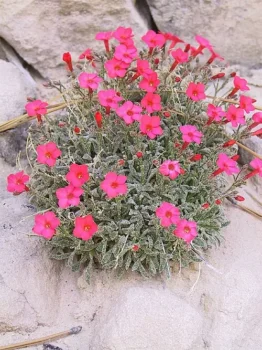
Rabbit Valley Gilia: A Rare Utah Native Worth Protecting
Meet Rabbit Valley gilia (Aliciella caespitosa), one of Utah’s most elusive native wildflowers. This tiny perennial is so rare that most gardeners will never encounter it, but understanding its story helps us appreciate the incredible diversity hidden in our western landscapes.
What Makes Rabbit Valley Gilia Special?
Rabbit Valley gilia belongs to the phlox family and forms small, cushion-like clumps that hug the ground. As a perennial forb, it lacks woody stems but returns year after year from its rootstock. Also known by its scientific synonym Gilia caespitosa, this plant represents the kind of specialized adaptation that makes western flora so fascinating.
Where Does It Call Home?
This rare gem is endemic to Utah, meaning you won’t find it growing naturally anywhere else in the world. Its extremely limited distribution contributes to its conservation status – it’s currently ranked as S2 (Imperiled) globally, with only 6 to 20 known populations and between 1,000 to 3,000 individual plants estimated to exist.
- Species observed
- No observations
Should You Try Growing Rabbit Valley Gilia?
Here’s the important part: Due to its imperiled status, we strongly recommend against attempting to collect or cultivate wild Rabbit Valley gilia unless you’re working with responsibly sourced material through legitimate conservation programs or botanical institutions.
If you’re interested in supporting this species, consider these alternatives:
- Support local conservation organizations working to protect Utah’s rare plants
- Choose other native Utah wildflowers for your garden that aren’t at risk
- Visit botanical gardens or natural areas where you might observe this species in its native habitat
- Participate in citizen science projects that monitor rare plant populations
What Would It Be Like in a Garden?
If Rabbit Valley gilia were more common, it would likely make an interesting addition to specialized rock gardens or native plant collections. Its cushion-forming growth habit suggests it would thrive in well-drained, rocky soils similar to its natural habitat. Like many high-desert natives, it would probably require excellent drainage and might struggle in typical garden conditions.
Supporting Pollinators with Similar Natives
While we can’t recommend planting Rabbit Valley gilia itself, you can support the same types of pollinators it would attract by choosing other native Utah wildflowers. Consider these more common alternatives:
- Other Gilia species that aren’t rare
- Native penstemon species
- Utah’s abundant wildflower species adapted to similar conditions
The Bigger Picture
Rabbit Valley gilia reminds us why native plant gardening matters. By choosing common native species for our gardens, we reduce pressure on rare plants while still supporting local ecosystems. Every garden filled with appropriate native plants becomes a small sanctuary for the wildlife that depends on them.
Sometimes the most important way to love a plant is to admire it from afar and ensure future generations can do the same. Rabbit Valley gilia may be too rare for our gardens, but its existence enriches Utah’s natural heritage – and that’s worth protecting.