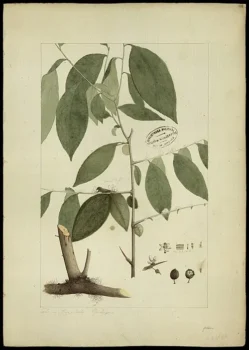
Rabo de Ranton: A Rare Caribbean Native Worth Protecting in Your Garden
If you’re gardening in Puerto Rico or the U.S. Virgin Islands and looking to support local biodiversity, you might want to learn about rabo de ranton (Casearia aculeata). This native Caribbean shrub is more than just another pretty face in the garden – it’s a vulnerable species that could use our help to thrive.
What Makes Rabo de Ranton Special?
Rabo de ranton is a perennial shrub that’s perfectly adapted to Caribbean life. As a multi-stemmed woody plant, it typically grows to a manageable height of 13-16 feet, making it an excellent choice for medium-sized landscapes. Its natural growth habit creates an attractive, bushy appearance that works well in both formal and naturalized garden settings.
Where Does It Call Home?
This charming shrub is native exclusively to Puerto Rico and the U.S. Virgin Islands, making it a true Caribbean endemic. You won’t find wild populations of rabo de ranton anywhere else in the world, which makes it all the more precious for local gardeners.
- Species observed
- No observations
The Conservation Story: Why This Plant Needs Our Help
Here’s where things get serious – rabo de ranton has a Global Conservation Status of S3, meaning it’s considered vulnerable. With only 21 to 100 known occurrences and an estimated 3,000 to 10,000 individuals remaining in the wild, this species is walking a tightrope toward potential extinction.
What does this mean for gardeners? If you’re interested in growing rabo de ranton, it’s crucial to source your plants responsibly. Never collect from wild populations, and always purchase from reputable native plant nurseries that propagate their stock ethically.
Garden Design and Landscape Role
Rabo de ranton shines in several garden scenarios:
- Native plant gardens focused on Caribbean species
- Conservation gardens supporting local biodiversity
- Naturalized landscapes that mimic local ecosystems
- Mixed shrub borders in tropical and subtropical settings
Its moderate size makes it versatile enough to work as a specimen plant, grouped with other natives, or incorporated into larger landscape designs.
Growing Conditions and Care
As a Caribbean native, rabo de ranton is best suited for USDA hardiness zones 10-11. It thrives in tropical climates and, like many island plants, appreciates well-draining soil. Once established, it tends to be relatively drought tolerant – a handy trait for sustainable gardening in the Caribbean.
The good news for busy gardeners is that native plants like rabo de ranton typically require minimal maintenance once they’re settled in. They’ve evolved to thrive in local conditions without the fuss that non-native plants often demand.
Supporting Local Ecosystems
While specific wildlife benefits for rabo de ranton aren’t well-documented, native shrubs generally provide important habitat and food sources for local insects, birds, and other wildlife. By planting native species, you’re contributing to the complex web of relationships that keep Caribbean ecosystems healthy.
Should You Plant Rabo de Ranton?
If you garden in Puerto Rico or the U.S. Virgin Islands, growing rabo de ranton can be a meaningful way to support conservation efforts. However, remember these important guidelines:
- Only purchase from reputable native plant nurseries
- Never collect plants from wild populations
- Consider joining local conservation efforts to protect remaining wild populations
- Share seeds or cuttings with other responsible gardeners to increase cultivation
For gardeners outside the Caribbean, this plant won’t survive your climate, but you can support similar conservation efforts by choosing native plants from your own region.
The Bottom Line
Rabo de ranton represents both an opportunity and a responsibility. It’s a chance to grow something truly special – a plant found nowhere else on Earth – while contributing to its conservation. With thoughtful sourcing and care, this vulnerable Caribbean native can find a secure future in our gardens, ensuring that future generations can enjoy its unique presence in the landscape.
Remember, every native plant we cultivate responsibly is a small victory for biodiversity. In the case of rabo de ranton, your garden could literally help save a species.