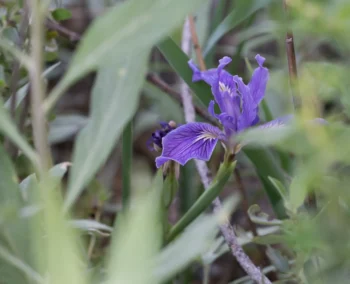
Rainbow Iris: A Rare California Native Worth Knowing About
Meet the rainbow iris (Iris hartwegii australis), a mysterious and uncommon native plant that calls California home. If you’ve never heard of this particular iris before, you’re not alone – it’s one of those botanical treasures that flies under the radar, even among seasoned native plant enthusiasts.
What Makes This Iris Special?
The rainbow iris is a perennial forb, which is just a fancy way of saying it’s a non-woody plant that comes back year after year. Unlike shrubs or trees, forbs like this iris have soft, herbaceous stems and store their energy in underground structures to survive through seasons.
This particular iris is actually a variety of Iris hartwegii, and it goes by the scientific synonym Iris hartwegii Baker var. australis Parish. But let’s stick with rainbow iris – it’s much easier to remember!
Where Does It Grow?
The rainbow iris is native to California, where it has adapted to the unique climate and growing conditions of the Golden State. As a true California native, it’s perfectly suited to the Mediterranean-style climate with its wet winters and dry summers.
- Species observed
- No observations
The Rarity Factor: Why You Should Care
Here’s where things get interesting – and a bit concerning. The rainbow iris has a Global Conservation Status of S4T3?, which essentially means its conservation status is undefined or uncertain. This classification suggests that this plant may face some conservation challenges, and detailed population data might be limited or unclear.
What does this mean for gardeners? If you’re lucky enough to encounter this iris or have the opportunity to grow it, approach with respect and responsibility. This isn’t a plant you’ll find at your local nursery, and that’s probably for good reason.
The Challenge of Growing Rainbow Iris
Unfortunately, detailed growing information for this specific iris variety is quite limited. This lack of cultivation knowledge, combined with its conservation status, presents some real challenges:
- Growing conditions and care requirements are not well-documented
- Propagation methods aren’t widely known
- Its specific role in garden design hasn’t been established
- Pollinator and wildlife benefits are unclear
A Better Path Forward
Given the uncertainty surrounding this rare iris, most gardeners would be better served by choosing other native California iris species that are:
- Better understood and documented
- More readily available from reputable native plant nurseries
- Proven performers in home gardens
- Not of conservation concern
Consider looking into other California native irises like Pacific Coast Iris (Iris douglasiana) or Yellow-leaved Iris (Iris chrysophylla), which offer similar native benefits with much better-known growing requirements.
If You Do Encounter Rainbow Iris
Should you come across this rare beauty in the wild or have access to responsibly sourced material, treat it with the respect it deserves. Here are some guidelines:
- Never collect from wild populations
- Only obtain plants or seeds from reputable sources with proper collection permits
- Consider contributing to conservation efforts by reporting sightings to local botanical organizations
- If you do grow it, share your experiences with the native plant community to help build knowledge
The Bottom Line
While the rainbow iris is undoubtedly a fascinating California native, its rarity and the limited information available make it more of a conservation curiosity than a practical garden choice for most of us. Sometimes the most responsible thing we can do as gardeners is to appreciate these rare plants from a distance and choose better-known native alternatives that can provide similar ecological benefits without the conservation concerns.
That said, if you’re a serious native plant collector with access to responsibly sourced material and a passion for growing rare plants, the rainbow iris could be an intriguing addition to a specialized collection. Just remember – with great rarity comes great responsibility!