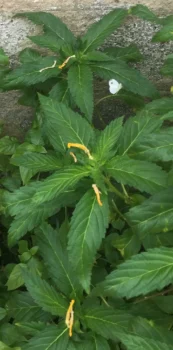
Ramgoat Dashalong: A Cheerful Yellow Bloomer for Warm Climate Gardens
If you’re looking for a plant with one of the most memorable names in the gardening world, meet ramgoat dashalong (Turnera ulmifolia). This delightful little shrub might have an unusual moniker, but don’t let that fool you – it’s a reliable performer that brings continuous color to warm climate gardens with minimal fuss.
What is Ramgoat Dashalong?
Ramgoat dashalong is a perennial shrub that typically stays compact, reaching heights of 4-5 feet under most growing conditions. This multi-stemmed woody plant produces bright yellow flowers almost year-round in favorable climates, making it a garden workhorse for consistent color. The serrated leaves provide an attractive backdrop to the cheerful blooms, creating a tidy, well-rounded appearance that works in various landscape settings.
Where Does It Grow Naturally?
The native status of ramgoat dashalong is quite interesting – it’s actually native to Florida, Puerto Rico, and the U.S. Virgin Islands, making it a true American native in these regions. However, it has also established itself as a non-native species in Hawaii, Guam, and Palau, where it reproduces and persists without human intervention.
- Species observed
- No observations
Why Consider Growing Ramgoat Dashalong?
There are several compelling reasons why gardeners in appropriate climates might want to add this plant to their landscape:
- Continuous blooms: The bright yellow flowers appear almost constantly in warm weather
- Low maintenance: Once established, it requires minimal care
- Drought tolerance: Perfect for water-wise gardens
- Pollinator magnet: Bees, butterflies, and other beneficial insects love the flowers
- Versatile size: Compact growth makes it suitable for small spaces and containers
Garden Design Applications
Ramgoat dashalong works beautifully in several garden styles and applications. It’s particularly well-suited for tropical and subtropical gardens, where its year-round blooming habit can be fully appreciated. The plant also thrives in xeriscapes and drought-tolerant landscapes, making it an excellent choice for water-conscious gardeners.
Consider using it as a border plant, in mixed perennial beds, or even in large containers on patios. Its relatively small stature and tidy growth habit make it perfect for cottage gardens or naturalized areas where a informal, cheerful appearance is desired.
Growing Conditions and Care
One of the best things about ramgoat dashalong is how easy it is to grow in the right conditions. Here’s what it needs to thrive:
- Light: Full sun to partial shade (flowers best in full sun)
- Soil: Well-draining soil is essential – it won’t tolerate soggy conditions
- Water: Regular watering during establishment, then quite drought tolerant
- Climate: USDA hardiness zones 9-11
The plant’s wetland status varies by region. In most areas, it’s classified as an upland plant that rarely occurs in wetlands, though in the Caribbean region, it can adapt to both wetland and non-wetland conditions.
Planting and Maintenance Tips
Getting started with ramgoat dashalong is straightforward. Plant in spring after the last frost, ensuring good drainage to prevent root rot. Water regularly during the first growing season to help establish a strong root system, then reduce watering frequency as the plant becomes established.
Maintenance is minimal once the plant is settled. Occasional pruning can help maintain a tidy shape and encourage bushier growth. Remove spent flowers if you want to prevent self-seeding, though many gardeners enjoy the plant’s ability to naturalize in appropriate settings.
Important Considerations
If you’re gardening in regions where ramgoat dashalong isn’t native (such as Hawaii or other Pacific islands), consider whether native alternatives might better serve your local ecosystem. While this plant isn’t listed as invasive or problematic, supporting native species is always beneficial for local wildlife and ecological balance.
For gardeners in Florida, Puerto Rico, and the U.S. Virgin Islands, you’re working with a true native that can provide excellent habitat and food sources for local pollinators while requiring minimal inputs once established.
The Bottom Line
Ramgoat dashalong offers gardeners in warm climates a reliable, cheerful addition to their landscape palette. Its combination of continuous blooms, low maintenance requirements, and pollinator appeal make it worth considering – especially for those looking to add year-round color without year-round work. Just remember to consider your local ecosystem and choose native alternatives when appropriate for your specific region.