Ramps: The Wild Spring Delicacy That Belongs in Your Woodland Garden
If you’ve ever wandered through an Appalachian forest in early spring and caught a whiff of something garlicky and wonderful, you might have stumbled upon one of nature’s most prized edible treasures: ramps. Known botanically as Allium tricoccum and also called wild leeks, these native perennials are causing quite a stir among gardeners, foragers, and food enthusiasts alike.
What Makes Ramps So Special?
Ramps are true natives of eastern North America, naturally occurring across a vast range that includes most of the eastern United States and southeastern Canada. You can find them growing wild from Alabama all the way up to Nova Scotia, and from the Atlantic coast west to Minnesota and Iowa. They’re particularly abundant in the Appalachian Mountains, where they’ve been a cherished spring food for generations.
- Species observed
- No observations
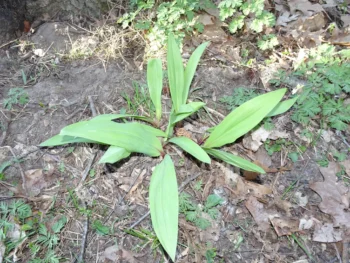
As perennial forbs (non-woody plants that come back year after year), ramps have a unique growth pattern that makes them fascinating garden subjects. In early spring, usually March or April, broad lance-shaped leaves emerge from underground bulbs, creating lush green carpets across the forest floor. These leaves are what give ramps their distinctive onion-garlic flavor and aroma.
Garden Appeal and Landscape Role
From a landscaping perspective, ramps offer several compelling benefits:
- They provide excellent early season interest when little else is growing
- The broad, bright green leaves create beautiful groundcover in shaded areas
- They naturalize well, slowly spreading to form attractive colonies
- In late spring, they produce delicate white flowers on tall stems that attract beneficial pollinators
Ramps are perfectly suited for woodland gardens, shade gardens, and naturalized landscapes. They thrive in the same conditions as trilliums, bloodroot, and other beloved spring ephemerals, making them excellent companions for native plant gardens.
Growing Conditions and Care
These woodland natives are surprisingly easy to grow once you understand their preferences. Ramps thrive in USDA hardiness zones 3-7 and prefer:
- Partial to full shade (morning sun is okay, but avoid hot afternoon sun)
- Rich, moist, well-draining soil with plenty of organic matter
- Cool, woodland-like conditions
- Consistent moisture, especially during their growing season
According to wetland classifications, ramps are considered facultative upland plants across all regions where they grow, meaning they typically prefer non-wetland conditions but can tolerate some moisture.
Planting and Establishing Ramps
Here’s where patience becomes a virtue. Ramps are notoriously slow to establish, often taking 5-7 years to reach maturity from seed. For quicker results, plant bulbs in fall:
- Plant bulbs 2-3 inches deep and 4-6 inches apart
- Choose a location that mimics their native woodland habitat
- Amend soil with compost or leaf mold
- Water regularly during the first growing season
- Allow leaves to die back naturally in early summer
Once established, ramps require minimal care. They’ll slowly spread through underground bulbs and self-seeding, creating larger colonies over time.
Important Conservation Considerations
Before you get too excited about growing ramps, there’s an important conservation issue to consider. In some areas, particularly Alabama where they have an S1 rarity status (critically imperiled), ramps face pressure from over-harvesting. If you’re interested in growing ramps, please:
- Only purchase from reputable nurseries that propagate their own stock
- Never harvest from wild populations
- Be patient with establishment and avoid disturbing young plants
- Consider them a long-term garden investment
The Verdict: Should You Grow Ramps?
If you have the right growing conditions – namely a shaded, woodland-like environment with rich soil – ramps make an excellent addition to native plant gardens. They’re particularly valuable for:
- Gardeners interested in edible landscaping
- Those creating authentic woodland or shade gardens
- Anyone wanting to support native pollinators with early-season blooms
- Patient gardeners who appreciate slow-growing, long-lived perennials
Just remember that ramps are definitely a slow and steady wins the race kind of plant. Don’t expect instant gratification, but do expect years of reliable spring beauty and the satisfaction of growing one of North America’s most celebrated native edibles. Your woodland garden – and your taste buds – will thank you for the patience.