Ram’s Head Lady’s Slipper: A Rare Native Orchid Worth Protecting
If you’ve ever dreamed of growing a truly unique native orchid in your garden, the ram’s head lady’s slipper (Cypripedium arietinum) might just capture your imagination. This tiny treasure is one of North America’s most distinctive wildflowers, though it comes with some important considerations every gardener should know.
What Makes This Plant Special
The ram’s head lady’s slipper is a perennial forb—essentially a non-woody flowering plant that returns year after year. Despite its delicate appearance, this little orchid is surprisingly tough, adapted to some of the harshest growing conditions in northern North America. Its botanical name, Cypripedium arietinum, translates roughly to ram-like Venus shoe, which perfectly describes its unique flower structure.
A Flower Like No Other
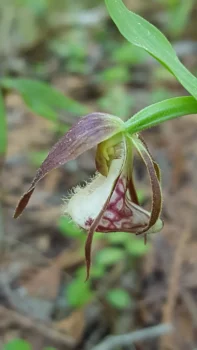
What sets this orchid apart from its showier cousins is its petite, almost elfin appearance. Standing just 6-12 inches tall, each plant produces a single, extraordinary flower. The bloom features a small white pouch (the slipper) decorated with intricate red or purple veining that creates an almost mystical pattern. The overall effect is both delicate and dramatic—like nature’s own piece of fine jewelry.
Where You’ll Find It Growing Wild
Ram’s head lady’s slipper is native to both Canada and the northern United States. You can find wild populations scattered across Manitoba, Nova Scotia, Ontario, Quebec, Saskatchewan, Connecticut, Maine, Massachusetts, Michigan, Minnesota, New Hampshire, New York, Vermont, and Wisconsin. This plant thrives in the cool, northern climates of boreal forests and northern temperate regions.
- Species observed
- No observations
An Important Conservation Concern
Here’s where things get serious: ram’s head lady’s slipper has a Global Conservation Status of S3, meaning it’s considered vulnerable throughout its range. With typically only 21 to 100 occurrences and between 3,000 to 10,000 individuals worldwide, this orchid is genuinely rare. If you’re considering adding one to your garden, you must—and we cannot stress this enough—only source plants from reputable, ethical suppliers who propagate rather than wild-collect their stock.
Growing Conditions: Not for Beginners
Let’s be honest: this isn’t a plant for novice gardeners or anyone looking for instant gratification. Ram’s head lady’s slipper has very specific requirements:
- Cool temperatures (thrives in USDA hardiness zones 2-6)
- Consistently moist but never waterlogged soil
- Acidic soil rich in organic matter
- Partial to full shade
- Excellent drainage despite moisture needs
- Symbiotic relationship with specific soil fungi
According to its wetland status, this orchid usually occurs in wetlands but can sometimes be found in non-wetland areas. Think cool, boggy conditions or moist woodland floors.
Garden Design and Landscaping Role
When successfully established, ram’s head lady’s slipper serves as the crown jewel of woodland and shade gardens. It’s perfectly suited for:
- Native plant gardens focused on rare species conservation
- Woodland gardens with naturalistic plantings
- Bog gardens or moisture-loving plant collections
- Specialty orchid gardens
This plant works best as a specimen or conversation piece rather than a mass planting. Its small stature and singular beauty make it ideal for intimate garden spaces where visitors can appreciate its intricate details up close.
Pollinator and Wildlife Benefits
While small in stature, ram’s head lady’s slipper plays an important role in its ecosystem. The flower attracts small native bees, though like many orchids, it practices deceptive pollination—offering no actual nectar reward to visiting insects. This specialized pollination strategy is part of what makes the plant so rare and ecologically important.
The Reality Check: Should You Grow It?
Here’s our honest assessment: unless you’re an experienced orchid grower with the perfect conditions and a deep commitment to conservation, ram’s head lady’s slipper probably isn’t the right choice for your garden. The cultivation challenges are significant, and the plant’s rarity means that failed attempts represent a real conservation loss.
However, if you have the right growing conditions, experience with difficult plants, and access to ethically sourced specimens, growing this orchid can be incredibly rewarding. You’ll be participating in conservation efforts while enjoying one of nature’s most exquisite creations.
Better Alternatives for Most Gardeners
If you love the idea of native orchids but want something more manageable, consider other native Cypripedium species that are less rare and somewhat easier to grow, or focus on other native wildflowers that provide similar woodland garden appeal without the conservation concerns.
Remember, sometimes the best way to appreciate rare plants like ram’s head lady’s slipper is to seek them out in their natural habitats, support conservation organizations working to protect them, and choose more common native plants for our home gardens. Every native plant we grow helps support local ecosystems—and that’s something we can all feel good about.