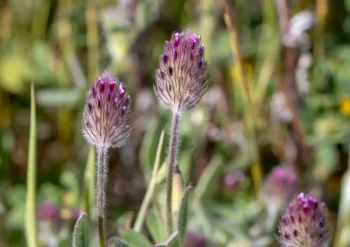
Rancheria Clover: A Charming Native Annual for Western Gardens
Meet rancheria clover (Trifolium albopurpureum), a delightful little native that’s been quietly decorating Western landscapes long before gardening became trendy. This unassuming annual forb might not win any flashy flower contests, but it’s got charm, character, and some serious ecological street cred that makes it worth considering for your native garden.
What Makes Rancheria Clover Special?
Rancheria clover is a true Western native, calling Arizona, California, Oregon, and Washington home. As an annual forb, it completes its entire life cycle in one growing season, but don’t let that fool you into thinking it’s high-maintenance. This little trooper is actually quite the opposite – it’s perfectly adapted to the boom-and-bust cycles of Western weather patterns.
- Species observed
- No observations
The plant produces small, rounded flower heads that bloom in shades ranging from white to pale purple, giving it that classic clover look we all recognize. While it won’t create dramatic garden focal points, it adds a subtle, naturalistic beauty that works wonderfully in wildflower meadows and native plant communities.
Where Does Rancheria Clover Fit in Your Garden?
This native gem shines brightest in:
- Native plant gardens seeking authentic regional character
- Wildflower meadows and naturalized areas
- Erosion control projects on slopes and disturbed sites
- Low-maintenance groundcover situations
- Pollinator-friendly landscape designs
Its classification as Facultative Upland means rancheria clover typically prefers well-draining, non-wetland conditions, though it can occasionally tolerate some moisture. This flexibility makes it adaptable to various garden situations across its native range.
Growing Rancheria Clover Successfully
Here’s where rancheria clover really wins gardener hearts – it’s refreshingly easy to grow. As a native annual that’s perfectly adapted to Western conditions, it thrives in USDA hardiness zones 7-10 with minimal fuss.
Ideal Growing Conditions:
- Full sun to partial shade exposure
- Well-draining soils (clay, loam, or sandy)
- Moderate to low water needs once established
- Tolerates poor soils and drought conditions
Planting and Care Tips:
- Direct seed in fall or early spring for best results
- Scatter seeds lightly and barely cover with soil
- Water gently until germination occurs
- Once established, minimal watering needed
- Allow plants to self-seed for natural succession
- No fertilization typically required in native soils
The Ecological Benefits
While we don’t have specific wildlife data for rancheria clover, its membership in the legume family suggests it likely provides nitrogen fixation benefits to surrounding plants. The flowers attract small pollinators including native bees and butterflies, contributing to local ecosystem health.
As a native species, it’s perfectly integrated into local food webs and provides authentic habitat that imported plants simply can’t match. This makes it valuable for gardeners interested in supporting regional biodiversity.
Is Rancheria Clover Right for Your Garden?
Rancheria clover is an excellent choice if you’re looking for:
- Low-maintenance native plants
- Natural-looking groundcover
- Pollinator-friendly flowers
- Plants that self-seed reliably
- Authentic regional character
However, it might not be the best fit if you prefer:
- Showy, dramatic flowering displays
- Perennial plants that return unchanged each year
- Highly manicured, formal garden styles
Final Thoughts
Rancheria clover embodies the quiet beauty and practical wisdom of native Western plants. It’s not going to stop traffic with flashy blooms, but it will reliably provide gentle beauty, ecological benefits, and that satisfying feeling that comes from growing something that truly belongs in your landscape. For gardeners seeking authentic, low-maintenance natives that play well with others, this little clover deserves serious consideration.
Sometimes the best garden additions are the ones that work so seamlessly with nature, you almost forget they’re there – until you notice the bees visiting, the self-seeded patches appearing, and the quiet satisfaction of a garden that just feels right.