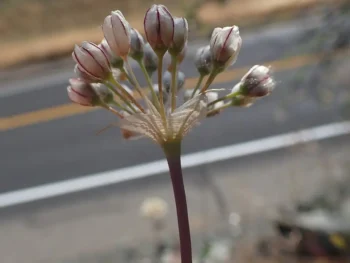
Rawhide Hill Onion: A Rare California Native Worth Growing Responsibly
If you’re passionate about California native plants and conservation gardening, you might want to learn about the Rawhide Hill onion (Allium tuolumnense). This charming little bulb is more than just another pretty face in the garden – it’s a rare piece of California’s natural heritage that deserves our attention and protection.
What Makes Rawhide Hill Onion Special?
The Rawhide Hill onion is a perennial forb that belongs to the same family as garlic and onions, though you probably won’t want to toss it in your stir-fry! This herbaceous plant lacks woody tissue and dies back to its underground bulb during harsh conditions, making it perfectly adapted to California’s Mediterranean climate.
What really sets this plant apart is its conservation status. With a Global Conservation Status of S2, the Rawhide Hill onion is considered imperiled, with typically only 6 to 20 known occurrences and an estimated 1,000 to 3,000 remaining individuals in the wild. That makes it quite the botanical treasure!
Where Does It Come From?
This California endemic calls the Sierra Nevada foothills home, specifically areas around Tuolumne County. It’s found nowhere else in the world, making it a true Golden State original. The plant is native to the lower 48 states, but its range is incredibly limited to specific locations in California.
- Species observed
- No observations
Garden Appeal and Landscape Role
Don’t let its rarity fool you into thinking the Rawhide Hill onion lacks charm. This delicate beauty produces clusters of pink to purple flowers arranged in attractive umbrella-shaped displays called umbels. The narrow, grass-like leaves provide a subtle texture contrast in the garden.
In landscape design, this plant works wonderfully in:
- Rock gardens where its small stature won’t get overwhelmed
- Native California plant collections
- Xerophytic landscapes that celebrate drought-tolerant plants
- Naturalized areas that mimic California foothill ecosystems
Benefits for Pollinators and Wildlife
Like many members of the onion family, Rawhide Hill onion is a pollinator magnet. Its flowers attract native bees, butterflies, and other beneficial insects, making it a valuable addition to any wildlife-friendly garden. Every flower cluster becomes a tiny buffet for hungry pollinators during blooming season.
Growing Conditions and Care
If you’re thinking about growing this rare beauty, you’ll need to recreate its natural foothill habitat. The Rawhide Hill onion thrives in:
- Well-draining soil (this is crucial – soggy soil will kill the bulbs)
- Full sun to partial shade conditions
- USDA hardiness zones 7-9, which matches California’s foothill climate
- Areas that can accommodate natural summer dormancy
Care is refreshingly simple once established. Like many California natives, this plant expects minimal water after its first year. It naturally goes dormant during hot, dry summers – don’t panic when it disappears! This is normal behavior, and the plant will return when conditions improve.
The Responsible Growing Caveat
Here’s the important part: if you want to grow Rawhide Hill onion, you absolutely must source it responsibly. With so few plants remaining in the wild, removing specimens from natural populations could push this species closer to extinction.
Only purchase plants or seeds from reputable native plant nurseries that can guarantee their stock is propagated, not wild-collected. Some specialty California native plant societies occasionally offer responsibly propagated material, but be patient – legitimate sources are rare, just like the plant itself.
Should You Grow It?
The Rawhide Hill onion presents a fascinating case for conservation-minded gardeners. Growing it responsibly can help preserve genetic diversity and raise awareness about California’s rare plants. However, the limited availability of ethical sources means this isn’t a plant for every garden.
If you can’t find responsibly sourced Rawhide Hill onion, consider other native California alliums like Allium haematochiton (red-skin onion) or Allium amplectens (narrow-leaved onion). These relatives offer similar garden benefits without the conservation concerns.
For those lucky enough to grow authentic, responsibly sourced Rawhide Hill onion, you’ll be participating in an important conservation effort while enjoying a truly unique piece of California’s botanical heritage. Just remember – with great rarity comes great responsibility!