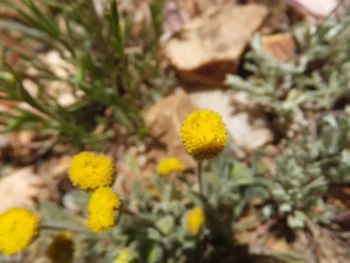
Rayless Shaggy Fleabane: A Western Native Worth Considering
Meet the rayless shaggy fleabane, a charming native wildflower that might just be the under-the-radar addition your western garden needs. With a name that sounds like it belongs in a fantasy novel, this unassuming plant has been quietly thriving across the American West for centuries.
What Is Rayless Shaggy Fleabane?
Scientifically known as Erigeron aphanactis var. congestus, rayless shaggy fleabane is a native herbaceous perennial (and sometimes biennial) that belongs to the sunflower family. As a forb, it’s a non-woody flowering plant that dies back to ground level each year, storing its energy in roots and crown to return the following season.
True to its name, this fleabane variety is rayless, meaning it lacks the typical petal-like ray flowers that many of its Erigeron cousins sport. Instead, it produces clusters of small, less showy blooms that may not win any beauty contests but serve important ecological functions.
Where Does It Call Home?
This western native has made itself at home across three states: California, Nevada, and Utah. It’s perfectly adapted to the unique growing conditions of the American Southwest and intermountain regions, where it has evolved alongside other native species for thousands of years.
- Species observed
- No observations
Why Consider Planting Rayless Shaggy Fleabane?
While it may not be the showiest plant in the garden, rayless shaggy fleabane offers several compelling reasons to give it a spot in your landscape:
- Native heritage: As a true native of the western United States, it’s naturally adapted to local conditions and supports regional ecosystems
- Low maintenance potential: Native plants typically require less water, fertilizer, and pest control once established
- Authentic regional character: Adds genuine local flora to naturalized or wildlife gardens
- Ecological value: Even without showy petals, native plants like this one support local wildlife and pollinators in ways we’re still discovering
A Word About Conservation
Here’s something important to know: rayless shaggy fleabane has a Global Conservation Status of S5T2T4, which suggests this variety may have some conservation concerns. If you’re interested in growing this plant, it’s crucial to source it responsibly. Look for seeds or plants from reputable native plant nurseries that ethically collect or propagate their stock. Never collect plants from the wild, as this can harm already vulnerable populations.
Garden Design Ideas
Given its subtle nature and native origins, rayless shaggy fleabane works best in:
- Native plant gardens: Perfect for recreating authentic western ecosystems
- Wildlife gardens: Provides habitat and potentially food sources for native insects
- Naturalized areas: Great for less formal garden spaces that mimic wild landscapes
- Rock gardens: Likely adapted to well-draining, rocky soils typical of its native range
Growing Rayless Shaggy Fleabane: The Challenge
Here’s where things get a bit tricky. Detailed growing information for this specific variety is limited, which means growing it successfully requires some detective work and experimentation. Based on its native range and plant family characteristics, it likely prefers:
- Well-draining soils (essential for most western natives)
- Full sun to partial shade
- Moderate to low water once established
- USDA hardiness zones typical of California, Nevada, and Utah (likely zones 4-9)
The Bottom Line
Rayless shaggy fleabane is definitely not for every gardener or every garden. Its subtle appearance and specific growing requirements make it best suited for dedicated native plant enthusiasts or those creating authentic regional landscapes. The conservation status adds another layer of responsibility to growing this plant.
If you’re drawn to supporting native biodiversity and don’t mind a plant that whispers rather than shouts, rayless shaggy fleabane could be a meaningful addition to your garden. Just remember to source it responsibly and be prepared for some trial and error in your growing approach.
For gardeners seeking more readily available native alternatives with similar ecological benefits, consider exploring other Erigeron species or regional native wildflowers that might be easier to source and grow successfully.