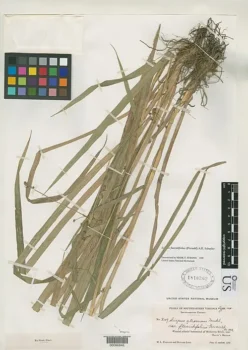
Reclining Bulrush: A Rare Native Sedge Worth Protecting
Meet the reclining bulrush (Scirpus flaccidifolius), a graceful wetland sedge that’s as beautiful as it is rare. This delicate perennial is one of nature’s hidden gems, quietly contributing to our native ecosystems while teetering on the edge of conservation concern.
What Makes Reclining Bulrush Special
Don’t let the name fool you—this isn’t your typical bulrush. The reclining bulrush gets its common name from its distinctive growth habit, with stems that arch gracefully rather than standing rigidly upright. As a member of the sedge family (Cyperaceae), it’s technically a grass-like plant that brings subtle elegance to wetland environments.
This perennial sedge may also be found listed under its botanical synonym, Scirpus atrovirens var. flaccidifolius, in older references or specialized botanical texts.
Where You’ll Find It in the Wild
Reclining bulrush is native to the southeastern United States, with documented populations in North Carolina and Virginia. However, its range may be more limited than we realize, as this species hasn’t been extensively studied or surveyed.
- Species observed
- No observations
A Conservation Alert: Handle with Care
Before you get too excited about adding this beauty to your garden, here’s something important to know: reclining bulrush has a Global Conservation Status of S2, meaning it’s considered Imperiled. With typically only 6 to 20 known occurrences and possibly fewer than 3,000 individual plants remaining in the wild, this species is extremely rare and vulnerable to extinction.
If you’re interested in growing reclining bulrush, please only source it from reputable native plant nurseries that propagate their plants responsibly—never collect from wild populations. Better yet, consider supporting local conservation efforts or wetland restoration projects that might benefit this species.
The Perfect Wetland Resident
This sedge is what botanists call an obligate wetland plant, meaning it almost always occurs in wetlands. Whether you’re in the Atlantic and Gulf Coastal Plain region or the Eastern Mountains and Piedmont, reclining bulrush needs consistently wet conditions to thrive.
Growing Conditions and Care
If you’re fortunate enough to source this rare plant responsibly, here’s how to give it the best chance of success:
- Light: Full sun to partial shade
- Soil: Consistently moist to wet soils—think bog-like conditions
- Hardiness: Likely zones 6-9, based on its native range
- Maintenance: Low maintenance once established in proper conditions
Where It Fits in Your Landscape
Reclining bulrush is perfect for:
- Rain gardens and bioswales
- Pond margins and water feature edges
- Bog gardens
- Wetland restoration projects
- Naturalistic landscapes focused on native plant conservation
Its arching growth habit provides excellent erosion control while adding soft, natural texture to wet areas where many other plants struggle to survive.
Supporting Wildlife and Ecosystems
Like other native sedges, reclining bulrush likely provides important habitat structure for beneficial insects and other small wildlife, even though it’s wind-pollinated rather than insect-pollinated. Every native plant plays a role in the complex web of ecosystem relationships, and rare species like this one may be particularly important for specialized wildlife we haven’t yet discovered or studied.
The Bottom Line
Reclining bulrush represents both an opportunity and a responsibility for native plant enthusiasts. While it’s a beautiful addition to appropriate wetland gardens, its rarity means we must approach it with respect and caution. If you have the right growing conditions and can source it responsibly, you’ll be participating in the conservation of a truly special native plant.
For most gardeners, supporting habitat conservation and choosing other native wetland plants might be the best way to help species like reclining bulrush. Sometimes the most loving thing we can do for a rare plant is to protect its wild habitat and let it flourish where nature intended.