Reclusive Lady’s Tresses: Arizona’s Hidden Orchid Treasure
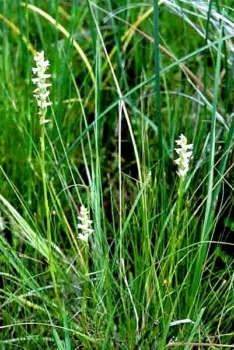
Meet one of Arizona’s most elusive botanical treasures: the reclusive lady’s tresses (Spiranthes delitescens). True to its common name, this rare orchid is so secretive that most gardeners will never encounter it in the wild – and that’s actually a good thing for its survival.
What Makes This Plant Special?
The reclusive lady’s tresses is a perennial forb that belongs to the orchid family. Like other lady’s tresses orchids, it produces delicate white flowers arranged in a distinctive spiral pattern along a tall spike. This charming growth habit gives the entire Spiranthes genus its common name, as the flower arrangement resembles braided or twisted hair.
As a native species to the lower 48 states, this little orchid has carved out a very specific niche in Arizona’s landscape. However, don’t expect to find it just anywhere – its extremely limited distribution makes it one of the state’s most precious botanical gems.
Where Does It Grow?
The reclusive lady’s tresses grows exclusively in Arizona within the lower 48 states. Even within Arizona, its presence is incredibly limited, making every known population critically important for the species’ survival.
- Species observed
- No observations
A Critical Conservation Concern
Here’s where things get serious: Spiranthes delitescens has a Global Conservation Status of S1, meaning it’s critically imperiled. With typically five or fewer occurrences and very few remaining individuals (less than 1,000), this species is hanging on by a thread. In the United States, it’s classified as Endangered, which should give every nature lover pause.
This rarity status means that if you’re lucky enough to spot one in the wild, you should:
- Observe from a distance and never disturb the plant
- Report your sighting to local conservation authorities
- Help protect its habitat from disturbance
- Spread awareness about this rare species
Why You Shouldn’t Plant It (And What to Do Instead)
Given its critically imperiled status, we strongly recommend against attempting to grow reclusive lady’s tresses in home gardens. Here’s why:
- Harvesting from wild populations could push the species closer to extinction
- It requires very specialized wetland conditions that are difficult to replicate
- As an obligate wetland plant, it needs consistently wet conditions that most gardens can’t provide
- Its complex ecological relationships make successful cultivation extremely challenging
If you’re interested in supporting this species, consider instead:
- Donating to organizations working on Arizona wetland conservation
- Volunteering for habitat restoration projects
- Growing other native Arizona plants that support local ecosystems
- Learning about and protecting wetland habitats in your area
Understanding Its Habitat Needs
The reclusive lady’s tresses is an obligate wetland species, meaning it almost always occurs in wetlands and requires consistently moist to wet soil conditions. This specialized habitat requirement is one reason why the species is so rare – suitable wetland habitats are limited and increasingly threatened.
In the arid landscape of Arizona, wetland areas are precious oases that support not just this rare orchid, but entire communities of specialized plants and wildlife. Protecting these wetland habitats is crucial for the survival of the reclusive lady’s tresses and countless other species.
Supporting Conservation
While you shouldn’t attempt to grow this rare orchid, you can still play a vital role in its conservation. Every wetland habitat we protect, every conservation dollar donated, and every person educated about rare species like the reclusive lady’s tresses brings us closer to ensuring this botanical treasure survives for future generations.
Sometimes the best way to love a plant is to leave it in peace – and in the case of Spiranthes delitescens, that’s exactly what this reclusive beauty needs most.