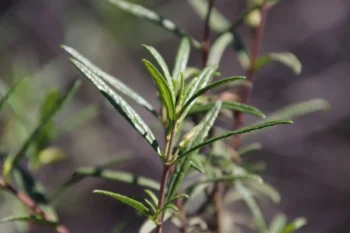
Red Bush Monkeyflower: A Vibrant Native Gem for California Gardens
If you’re looking to add a splash of fiery color to your California garden while supporting local wildlife, the red bush monkeyflower might just be your new favorite native plant. This delightful shrub brings both beauty and ecological benefits to landscapes throughout the Golden State.
Meet the Red Bush Monkeyflower
Known botanically as Diplacus puniceus, the red bush monkeyflower is a true California native that’s been brightening up the state’s natural landscapes for centuries. You might also encounter this plant under some of its former scientific names, including Mimulus puniceus or Mimulus glutinosus var. puniceus, as plant taxonomy has evolved over the years.
Where You’ll Find This Native Beauty
The red bush monkeyflower calls California home, naturally occurring in the state’s coastal sage scrub and chaparral communities. This endemic species has adapted perfectly to California’s unique Mediterranean climate and growing conditions.
- Species observed
- No observations
Why Your Garden (and Local Wildlife) Will Love It
This perennial shrub is a showstopper with its brilliant red-orange tubular flowers that bloom from spring through fall. The vibrant blooms create an eye-catching display that works beautifully as:
- A colorful accent in native plant gardens
- A focal point in drought-tolerant landscapes
- A naturalistic element in Mediterranean-style gardens
- A wildlife magnet in habitat gardens
But the real magic happens when the local wildlife discovers your red bush monkeyflower. Hummingbirds absolutely adore the tubular red flowers, which seem custom-designed for their long beaks and tongues. Native bees and butterflies also frequent the blooms, making this shrub a pollinator powerhouse in your garden ecosystem.
Growing Your Red Bush Monkeyflower
One of the best things about this native beauty is how well-adapted it is to California’s growing conditions. As a woody, multi-stemmed shrub that typically stays under 13-16 feet tall, it’s perfectly sized for most residential landscapes.
Ideal Growing Conditions
Your red bush monkeyflower will thrive in:
- Full sun to partial shade locations
- Well-draining soil (clay, loam, or sandy)
- USDA hardiness zones 9-11
- Areas with minimal summer water once established
Planting and Care Tips
For the best success with your red bush monkeyflower:
- Plant in fall when temperatures are cooler
- Water regularly during the first year to establish roots
- Reduce watering significantly once established – this plant loves California’s dry summers
- Prune lightly after the main flowering period to maintain shape
- Avoid heavy fertilization, as native plants prefer lean soils
A Note on Conservation
While the red bush monkeyflower isn’t currently listed as invasive or endangered, it does have an undefined conservation status. When adding this plant to your garden, be sure to source it from reputable native plant nurseries that propagate their stock responsibly rather than collecting from wild populations.
Is Red Bush Monkeyflower Right for Your Garden?
This native shrub is an excellent choice if you’re creating a water-wise garden, want to attract hummingbirds and other pollinators, or simply love the idea of growing plants that naturally belong in California. Its long blooming period, drought tolerance, and wildlife benefits make it a triple-threat in the native gardening world.
However, if you’re looking for a plant that needs regular summer watering or prefers constantly moist conditions, you might want to consider other options. The red bush monkeyflower is happiest when it can experience California’s natural wet-winter, dry-summer cycle.
Whether you’re a seasoned native plant gardener or just beginning to explore California’s incredible flora, the red bush monkeyflower offers a perfect combination of beauty, resilience, and ecological value that’s hard to beat.