Red Columbine: A Charming Native Wildflower for Shade Gardens
If you’re looking to add a touch of whimsy and native beauty to your shade garden, red columbine (Aquilegia canadensis) might just be your new favorite wildflower. This delightful perennial brings a unique combination of graceful form and vibrant color that’s hard to resist, all while supporting local wildlife and requiring minimal fuss once established.
What Makes Red Columbine Special
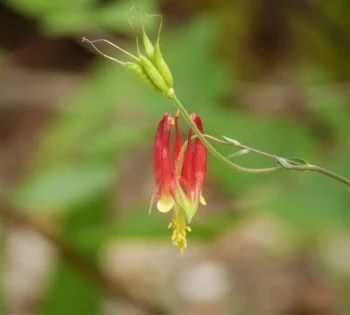
Red columbine goes by several charming common names, including wild columbine, honeysuckle, and meeting-houses – each hint at its long history with North American gardeners. This native perennial forb stands out with its distinctive nodding flowers that feature bright red sepals (the outer flower parts) and sunny yellow petals, creating an almost bell-like appearance complete with elegant backward-pointing spurs.
As a herbaceous perennial, red columbine lacks the woody stems of shrubs and trees but returns reliably year after year from its underground root system. The delicate, compound leaves provide an attractive backdrop even when the plant isn’t blooming.
Where Red Columbine Calls Home
This truly North American native has an impressive range, naturally growing throughout much of the eastern United States and southeastern Canada. You’ll find wild populations from Maine down to northern Florida, and west into the Great Plains states including Texas, Kansas, and the Dakotas. It also thrives in Canadian provinces from New Brunswick to Saskatchewan.
- Species observed
- No observations
Why Your Garden (and Local Wildlife) Will Love It
Red columbine is a pollinator magnet, especially beloved by hummingbirds who can easily access the nectar in those distinctive spurs. Long-tongued bees and butterflies also frequent the flowers, making this plant a valuable addition to any wildlife-friendly garden.
From a design perspective, red columbine excels in several garden settings:
- Woodland and shade gardens where it naturalizes beautifully
- Native plant gardens as an authentic regional species
- Cottage gardens for its old-fashioned charm
- Wildflower meadows and naturalized areas
Growing Conditions and Care
One of red columbine’s best features is its adaptability and low-maintenance nature. Here’s what this easygoing native prefers:
Light: Partial shade to full shade works best, though it can tolerate some morning sun in cooler climates.
Soil: Moist but well-drained soil is ideal, but it’s quite tolerant of different soil types. The wetland status varies by region, but generally, it prefers upland conditions that aren’t constantly wet.
Hardiness: Cold-hardy in USDA zones 3-8, making it suitable for most northern and temperate gardens.
Water: Appreciates consistent moisture, especially during its growing and blooming period in spring and early summer.
Planting and Maintenance Tips
Red columbine is refreshingly easy to grow and maintain:
- Starting from seed: This plant readily self-seeds, and you can collect seeds after flowering for new plantings
- Spacing: Allow adequate space for mature plants, as they’ll spread naturally over time
- Summer dormancy: Don’t panic if foliage dies back during hot summer weather – this is normal
- Minimal fertilizing: As a native, it typically doesn’t need supplemental feeding
- Let it naturalize: Allow some self-seeding for a more natural, woodland appearance
A Note on Conservation
While red columbine has a wide native range and appears stable in most areas, its exact conservation status is currently undefined in some databases. When sourcing plants or seeds, choose reputable native plant nurseries that use responsibly collected or propagated material rather than wild-harvested plants.
Is Red Columbine Right for Your Garden?
Red columbine is an excellent choice if you’re looking for a low-maintenance native perennial that provides both beauty and ecological benefits. It’s particularly perfect for gardeners who want to support local wildlife while adding unique flower forms to shadier spots where many other colorful perennials struggle.
The main considerations are its preference for cooler, shadier conditions and its tendency to go dormant in hot weather. If you’re gardening in intense heat or full sun conditions, you might want to consider other native options better suited to those conditions.
Overall, red columbine offers a wonderful combination of native credentials, wildlife value, and garden charm that makes it a worthy addition to most temperate shade gardens.