Red Mountain Stonecrop: A Rare California Native Worth Protecting
If you’re drawn to unique succulents with a conservation story, Red Mountain stonecrop (Sedum eastwoodiae) might just capture your heart. This petite California native is as charming as it is rare, making it a special addition for the right gardener who values both beauty and biodiversity.
What Makes Red Mountain Stonecrop Special?
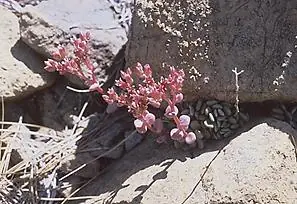
Red Mountain stonecrop is a perennial succulent that belongs to the diverse Sedum family. Don’t let its small stature fool you – this little powerhouse packs plenty of visual appeal with its thick, fleshy leaves that range from blue-green to reddish hues, especially when stressed by sun or cold. Come blooming season, it produces delicate clusters of small white to pinkish flowers that seem to float above the foliage like tiny stars.
You might also encounter this plant listed under its scientific synonyms, including Gormania eastwoodiae or Sedum laxum subspecies eastwoodiae, but they all refer to the same special plant.
A True California Native
Red Mountain stonecrop is endemic to California, calling the Sierra Nevada mountains home. This native status makes it perfectly adapted to California’s Mediterranean climate and an excellent choice for gardeners looking to support local ecosystems.
- Species observed
- No observations
Important Conservation Considerations
Here’s where things get serious: Red Mountain stonecrop has a Global Conservation Status of S2, meaning it’s considered Imperiled. With typically only 6 to 20 occurrences and few remaining individuals in the wild, this plant is extremely rare and vulnerable to extinction. If you choose to grow this beauty, please only source it from reputable native plant nurseries that propagate their own stock rather than collecting from wild populations.
Garden Appeal and Design Uses
Despite its rarity in nature, Red Mountain stonecrop can be a stunning addition to the right garden setting. Its compact size and drought tolerance make it perfect for:
- Rock gardens where it can nestle between stones
- Alpine plant collections
- Xeriscape designs focused on water conservation
- Container gardens where drainage can be carefully controlled
- Small-scale groundcover in specialized areas
The plant’s low-growing, spreading habit creates interesting texture contrasts when paired with other drought-tolerant natives or Mediterranean plants.
Growing Conditions and Care
Like most sedums, Red Mountain stonecrop thrives in conditions that mimic its mountain habitat. Here’s what it needs to flourish:
- Drainage: Excellent drainage is absolutely critical – think rocky, sandy, or gravelly soil
- Sun exposure: Full sun to partial shade
- Water: Very drought tolerant once established; avoid overwatering at all costs
- Hardiness: Suitable for USDA zones 7-9
- Soil: Poor to moderately fertile soil is actually preferred
Planting and Care Tips
Success with Red Mountain stonecrop comes down to mimicking its natural habitat:
- Plant in spring or fall when temperatures are moderate
- Amend heavy clay soils with coarse sand, gravel, or pumice
- Water sparingly – only during extended dry periods in the first year
- Avoid fertilizing, as rich conditions can cause weak, leggy growth
- Provide some afternoon shade in extremely hot climates
Supporting Pollinators and Wildlife
While small, the flowers of Red Mountain stonecrop provide nectar for tiny native bees, beneficial insects, and other small pollinators. Every little bit helps when it comes to supporting our struggling pollinator populations!
Should You Grow Red Mountain Stonecrop?
This plant is perfect for gardeners who appreciate rare natives and are committed to conservation. However, its imperiled status means you should only grow it if you can source it responsibly and provide the specific growing conditions it needs to thrive. If you’re new to growing succulents or native plants, you might want to start with more common sedums before tackling this special species.
By growing Red Mountain stonecrop responsibly, you’re not just adding a unique plant to your garden – you’re participating in conservation efforts to preserve California’s precious native flora for future generations.