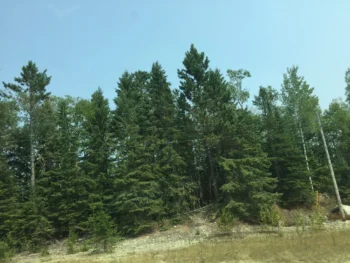
Red Pine: A Majestic Native Evergreen for the Right Garden
If you’ve ever wandered through the forests of the Great Lakes region or northern New England, you’ve likely encountered the impressive red pine (Pinus resinosa). This stately native evergreen is a true showstopper – but before you rush to plant one in your backyard, let’s explore whether this magnificent tree is the right fit for your landscape.
Meet the Red Pine
Red pine is a perennial evergreen tree that’s native to both Canada and the United States. Don’t let the name fool you – while the bark does develop a distinctive reddish-brown color on mature trees, you’ll need to look beyond the surface to truly appreciate this species. With its long, dark green needles arranged in pairs and its potential to reach a towering 80 feet at maturity, red pine commands attention wherever it grows.
Where Red Pine Calls Home
This hardy native spans an impressive range across North America. You’ll find red pine growing naturally from Manitoba to Newfoundland in Canada, and throughout much of the northern United States including Connecticut, Illinois, Indiana, Maine, Maryland, Massachusetts, Michigan, Minnesota, Missouri, New Hampshire, New Jersey, New York, North Carolina, Pennsylvania, Rhode Island, Vermont, Virginia, West Virginia, and Wisconsin.
- Species observed
- No observations
A Word of Caution: Rarity Matters
Here’s something important to consider: red pine is listed as endangered in New Jersey with a rarity status of S1.1. If you live in areas where this species is rare, please only source plants from reputable native plant nurseries that can guarantee responsibly propagated stock. Never collect seeds or plants from wild populations.
Is Red Pine Right for Your Garden?
Red pine is definitely not a tree for every garden. Here’s what you need to know:
Space Requirements
Let’s be honest – red pine is a big tree with big dreams. At 20 years old, it can already reach 30 feet tall, and mature specimens can soar to 80 feet. This single-stemmed giant needs room to spread its branches, making it unsuitable for small suburban lots or tight spaces.
Best Landscape Uses
- Large properties with plenty of space
- Naturalized gardens and forest restoration projects
- Windbreaks and privacy screens (with adequate space)
- Parks and large public spaces
- Specimen tree for estate-sized properties
Growing Conditions: Red Pine’s Preferences
Red pine can be a bit finicky about its growing conditions, so pay attention to these requirements:
Soil Needs
- Acidic soil with pH between 4.5-6.0
- Well-draining, coarse to medium-textured soils
- Avoid heavy clay or fine-textured soils
- Low fertility requirements (actually prefers poor soils)
Light and Water
- Full sun – this tree is completely shade intolerant
- Low drought tolerance, especially when young
- Prefers areas with 15-60 inches of annual precipitation
- Usually grows in non-wetland areas but can tolerate some moisture
Climate Requirements
Red pine thrives in USDA hardiness zones 2-6, handling temperatures as low as -43°F. It needs at least 80 frost-free days and performs best in cooler northern climates.
Planting and Care Tips
Getting Started
- Red pine is routinely available from nurseries and can be planted as bare root or container stock
- Seeds require cold stratification, so spring planting of nursery stock is often easier
- Plant spacing should allow for mature size – don’t crowd these trees
Ongoing Care
- Young trees need consistent moisture until established
- No fertilizer needed – red pine actually prefers low-fertility soils
- Minimal pruning required due to natural single-stem growth form
- Fire-resistant when mature but has low fire tolerance when young
Wildlife and Ecological Benefits
While red pine doesn’t offer significant direct benefits to pollinators (it’s wind-pollinated), it provides valuable habitat for wildlife. The seeds, which persist through fall and winter, offer food for birds and small mammals. As a native species, it supports local ecosystem health and provides nesting sites for various bird species.
The Bottom Line
Red pine is a magnificent native tree that deserves consideration – but only if you have the right conditions and space. It’s perfect for large properties, naturalized landscapes, and forest restoration projects. However, if you’re working with a typical suburban lot, you might want to consider smaller native evergreens like eastern white pine or native junipers.
Remember, choosing native plants like red pine helps support local ecosystems and wildlife. Just make sure you’re sourcing responsibly, especially in areas where this beautiful tree is becoming rare. When given the right conditions and space, red pine will reward you with decades of natural beauty and ecological benefits.