Redcardinal: A Stunning Native Shrub for Southern Gardens
If you’re looking for a show-stopping native plant that’ll have hummingbirds doing backflips in your garden, let me introduce you to the redcardinal (Erythrina herbacea). This gorgeous southeastern native might not be the most well-known shrub on the block, but it definitely deserves a spot in your native plant collection.
What Makes Redcardinal Special?
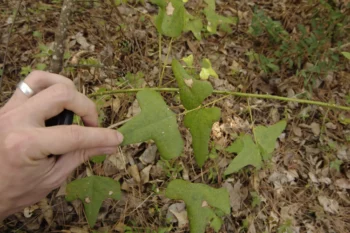
Redcardinal is a perennial shrub that puts on quite the spectacle when it blooms. Picture this: brilliant scarlet-red tubular flowers clustered at the tips of branches, practically glowing against the backdrop of distinctive three-leaflet compound leaves. It’s like nature’s own fireworks display, typically happening in late spring to early summer.
This multi-stemmed woody plant usually stays under 13-16 feet tall, making it perfect for medium-sized gardens where you want impact without overwhelming the space. The plant has an interesting personality too – in colder parts of its range, it dies back to the ground each winter like a well-behaved perennial, then springs back to life when warm weather returns.
Where Redcardinal Calls Home
As a true southeastern native, redcardinal naturally grows across Alabama, Arkansas, Florida, Georgia, Louisiana, Mississippi, North Carolina, Oklahoma, South Carolina, and Texas. It’s perfectly adapted to the climate and conditions of these regions, which means less work for you once it’s established.
- Species observed
- No observations
Important note for Arkansas gardeners: Redcardinal has a rarity status of S1 in Arkansas, meaning it’s critically imperiled in the state. If you’re in Arkansas and want to grow this beauty, make absolutely sure you’re getting your plants from a reputable nursery that sources responsibly – never collect from wild populations.
Why Your Garden (and Local Wildlife) Will Thank You
Those stunning red flowers aren’t just pretty faces – they’re hummingbird magnets. The tubular shape and bright color are practically custom-designed for our tiny feathered friends. Butterflies are fans too, making redcardinal a fantastic choice for pollinator gardens.
In your landscape design, redcardinal works beautifully as:
- A specimen plant where you want seasonal drama
- Part of a native plant border
- An addition to butterfly and hummingbird gardens
- A naturalized planting in larger landscapes
Growing Redcardinal Successfully
Here’s the good news: redcardinal is pretty low-maintenance once you understand what it likes. This plant thrives in USDA hardiness zones 8-10, so it’s perfect for most of the Southeast.
Ideal Growing Conditions
- Sunlight: Full sun to partial shade (though more sun usually means more flowers)
- Soil: Well-draining sandy soils work best – this plant doesn’t like wet feet
- Water: Drought tolerant once established, but appreciates regular water the first year
- Space: Give it room to spread – those multiple stems need space to show off
Planting and Care Tips
Spring is your best bet for planting redcardinal. Here’s how to set it up for success:
- Choose a spot with good drainage – soggy soil is this plant’s nemesis
- Water regularly the first growing season to help establish roots
- Once established, it’s quite drought tolerant (perfect for water-wise gardening)
- Prune lightly after flowering if needed, but remember that in colder areas it’ll naturally die back in winter
- Be patient – young plants might take a season or two to really hit their stride
Is Redcardinal Right for Your Garden?
Redcardinal is an excellent choice if you’re looking to support native ecosystems, attract hummingbirds and butterflies, and add some serious seasonal color to your landscape. It’s particularly well-suited for native plant gardens, wildlife gardens, and xerophytic (dry) gardens.
The main considerations are climate (you’ll need to be in zones 8-10) and the plant’s preference for well-draining soil. If you’re in a consistently wet area, this might not be your best choice.
For Arkansas gardeners specifically, please remember to source this plant responsibly due to its rare status in your state. Consider it an opportunity to help preserve a beautiful native species while enjoying its stunning blooms.
With its spectacular flowers, wildlife benefits, and relatively easy care requirements, redcardinal proves that native plants can be both ecologically responsible and absolutely gorgeous. Your hummingbirds will definitely approve of this addition to your garden!