Redspine Fishhook Cactus: A Rare Desert Gem Worth Protecting
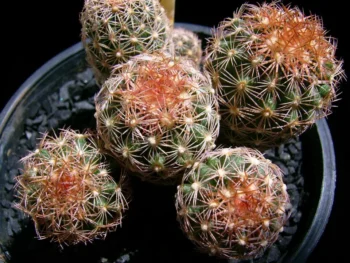
Meet the redspine fishhook cactus (Echinomastus erectocentrus), a small but mighty desert dweller that’s as stunning as it is scarce. This little barrel cactus might not win any size contests, but what it lacks in stature, it more than makes up for in character and conservation importance.
What Makes This Cactus Special?
The redspine fishhook cactus is a true Arizona native, calling the Sonoran Desert home. This perennial succulent gets its common name from its distinctive reddish spines that curve like tiny fishhooks, creating an eye-catching display that’s both beautiful and functional. In spring, if you’re lucky, you might witness its delicate white to pink flowers blooming at the top of the plant—a real treat for any desert garden enthusiast.
Where Does It Grow?
This special cactus is native to Arizona, where it thrives in the harsh but beautiful Sonoran Desert landscape. Its distribution is quite limited, making every specimen precious in both wild and cultivated settings.
- Species observed
- No observations
A Conservation Concern
Important Note for Gardeners: Before you fall head-over-heels for this charming cactus, there’s something crucial you need to know. The redspine fishhook cactus has a Global Conservation Status of S3 (Vulnerable) and is listed as Endangered in the United States. This means it’s facing real threats in the wild and needs our help to survive.
If you’re considering adding this rare beauty to your collection, please ensure you source it only from reputable nurseries that propagate their plants responsibly—never collect from the wild. Think of yourself as a conservation partner, helping to preserve this species for future generations.
Garden Design and Landscape Use
Despite its small size, the redspine fishhook cactus can play several important roles in your desert landscape:
- Perfect specimen plant for rock gardens and xeriscapes
- Excellent addition to cactus and succulent collections
- Beautiful accent plant that draws the eye without overwhelming smaller spaces
- Ideal for desert-themed landscapes and drought-tolerant gardens
Pollinator and Wildlife Benefits
Don’t let its spiny exterior fool you—this cactus is a friend to local wildlife. Its spring flowers attract native bees and other desert pollinators, making it a valuable addition to pollinator-friendly gardens. Every bloom helps support the intricate web of desert life.
Growing Conditions and Care
If you’re ready to take on the responsibility of growing this rare cactus, here’s what it needs to thrive:
- Sunlight: Full sun is essential—this desert native loves bright, direct light
- Soil: Extremely well-draining soil is non-negotiable; consider a specialized cactus mix
- Water: Less is definitely more—water sparingly and only when the soil is completely dry
- Climate: Best suited for USDA hardiness zones 9-11
- Protection: Shield from frost and freeze damage in cooler climates
Planting and Care Tips
Success with the redspine fishhook cactus comes down to mimicking its natural desert environment:
- Plant in spring when temperatures are warming up
- Use gloves and long tongs when handling—those spines mean business!
- Ensure your container or planting area has excellent drainage
- Water deeply but infrequently during the growing season
- Reduce watering to almost nothing during winter months
- Watch for spring blooms as a sign your care is paying off
The Bottom Line
The redspine fishhook cactus is a living treasure that deserves our respect and protection. While it can make a wonderful addition to the right garden, growing this species comes with the responsibility of supporting conservation efforts. If you choose to grow one, you’re not just adding a beautiful plant to your collection—you’re becoming a steward of a vulnerable species.
Remember: only purchase from reputable sources, never collect from the wild, and consider sharing seeds or offsets with other responsible gardeners to help ensure this remarkable cactus has a secure future.