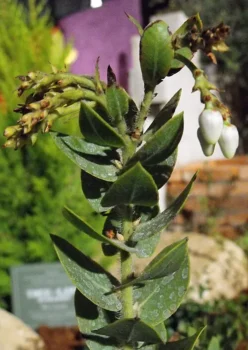
Refugio Manzanita: A Rare Coastal Gem for Your Native Garden
If you’re passionate about native California plants and love the idea of growing something truly special, let me introduce you to the Refugio manzanita (Arctostaphylos refugioensis). This isn’t your everyday garden center find – it’s a botanical treasure that calls a tiny slice of the California coast home.
What Makes Refugio Manzanita Special?
The Refugio manzanita is a stunning evergreen shrub that typically grows 4 to 13 feet tall, though it can occasionally stretch taller under the right conditions. Like other manzanitas, it’s a multi-stemmed beauty with that characteristic smooth, reddish bark that peels away to reveal newer bark underneath – nature’s own version of a permanent art installation in your garden.
What really sets this plant apart is its incredible rarity. With a conservation status that’s still being evaluated, this manzanita is found in an extremely limited area, making it one of California’s most geographically restricted native plants.
Where Does It Come From?
Here’s where things get really interesting – and a bit concerning from a conservation standpoint. The Refugio manzanita is native exclusively to California, specifically to a tiny area around Refugio Beach in Santa Barbara County. We’re talking about one of the most restricted ranges of any manzanita species, which makes every individual plant precious.
- Species observed
- No observations
Why Consider Growing Refugio Manzanita?
Despite its rarity (or perhaps because of it), there are compelling reasons why this plant might earn a spot in your garden:
- Stunning winter blooms: Small, urn-shaped white to pink flowers appear from winter into spring, providing nectar when few other plants are blooming
- Year-round beauty: The evergreen foliage and attractive bark provide interest in every season
- Drought tolerance: Once established, it’s incredibly water-wise – perfect for our increasingly dry climate
- Pollinator magnet: Bees and other pollinators absolutely love the early flowers
- Low maintenance: Like most manzanitas, it pretty much takes care of itself once settled in
The Important Conservation Consideration
Before you get too excited about adding this beauty to your garden, there’s something crucial to understand: this plant’s rarity means you need to be extra careful about sourcing. Never, ever collect from the wild – that could contribute to the species’ decline. If you can find Refugio manzanita for sale, make absolutely sure it’s from a reputable nursery that propagates their own plants or works with conservation programs.
Honestly, your chances of finding this plant commercially are pretty slim given its rarity. But if you do locate a responsibly sourced specimen, you’ll be participating in conservation efforts by growing it in cultivation.
Growing Conditions and Care
If you’re lucky enough to get your hands on a Refugio manzanita, here’s how to keep it happy:
- Climate: Best suited for USDA zones 9-10, thriving in Mediterranean-like conditions
- Sunlight: Full sun to partial shade – it’s quite adaptable
- Soil: Well-draining soil is absolutely critical – soggy roots spell doom for manzanitas
- Water: Drought-tolerant once established, but appreciates occasional deep watering during extreme dry spells
- Summer care: Keep summer watering to a minimum – these plants prefer dry summers
Planting and Care Tips
Here’s how to give your Refugio manzanita the best start:
- Plant in fall: This gives the roots time to establish before the dry season
- Improve drainage: If your soil is heavy, plant on a mound or slope, or amend with pumice or coarse sand
- Mulch wisely: Use gravel or small rocks rather than organic mulch, which can hold too much moisture
- Prune sparingly: Only remove dead or damaged branches – manzanitas don’t love heavy pruning
- Be patient: These shrubs are slow to moderate growers, so don’t expect instant gratification
Garden Design Ideas
The Refugio manzanita shines in:
- Native California plant gardens
- Mediterranean-style landscapes
- Water-wise gardens
- Coastal gardens (obviously!)
- As a specimen plant where its rarity can be appreciated
The Bottom Line
The Refugio manzanita is undeniably beautiful and would be a remarkable addition to any native plant garden. However, its extreme rarity means most gardeners will need to admire it from afar or seek out other manzanita species that are more readily available and less conservation-sensitive.
If you’re passionate about growing rare natives and can source this plant responsibly, you’ll have a true botanical treasure. Just remember – with great plants comes great responsibility to protect and preserve these natural wonders for future generations.
For most gardeners, consider other manzanita species like Arctostaphylos densiflora ‘Howard McMinn’ or Arctostaphylos ‘Emerald Carpet’ that offer similar beauty without the conservation concerns. Your local native plant society can point you toward manzanitas that are both stunning and more sustainable choices for home gardens.