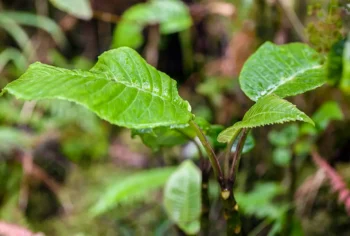
Remy’s Cyanea: A Rare Hawaiian Treasure for Your Tropical Garden
If you’re passionate about Hawaiian native plants and have a tropical garden, you might have heard whispers about Remy’s cyanea (Cyanea remyi). This stunning member of the bellflower family is one of Hawaii’s most precious botanical gems – and also one of its most endangered.
What Makes Remy’s Cyanea Special?
Remy’s cyanea is a perennial shrub that typically grows as a multi-stemmed woody plant, usually reaching heights of 13 to 16 feet (4-5 meters) under ideal conditions. What sets this plant apart is its distinctive palmately lobed leaves and spectacular tubular flowers that range from deep purple to brilliant blue – a true showstopper in any tropical landscape.
Where Does It Come From?
This Hawaiian endemic is found exclusively in the wet forests of Hawaii, where it has evolved over thousands of years to thrive in the islands’ unique ecosystem. Unfortunately, you won’t find this beauty growing wild anywhere else in the world – Hawaii is its one and only home.
- Species observed
- No observations
A Plant in Crisis
Here’s where things get serious: Remy’s cyanea has a Global Conservation Status of S1, meaning it’s critically imperiled. In the United States, it’s classified as Endangered, with typically five or fewer occurrences remaining in the wild and very few surviving individuals (fewer than 1,000). This makes it one of Hawaii’s rarest native plants.
What does this mean for gardeners? If you’re considering adding this plant to your collection, you absolutely must source it responsibly. Only purchase from reputable native plant nurseries that propagate from legally obtained, ethically sourced material – never collect from the wild.
Growing Remy’s Cyanea: Is It Right for Your Garden?
This plant is definitely not for every gardener, but if you have the right conditions and commitment, it can be a meaningful addition to a conservation-focused landscape.
Ideal Growing Conditions
- Climate: USDA hardiness zones 10-12 (tropical and subtropical regions only)
- Light: Partial to full shade – it naturally grows in forest understories
- Soil: Moist, well-draining soil with high organic content
- Humidity: High humidity levels (mimicking Hawaiian rainforest conditions)
- Water: Consistent moisture – it has a facultative wetland status, meaning it can handle both wet and moderately dry conditions
Care Tips for Success
- Provide protection from strong winds, as the stems can be somewhat soft and vulnerable
- Consider staking taller specimens for additional support
- Maintain consistent soil moisture without waterlogging
- Apply organic mulch to retain moisture and suppress weeds
- Feed with a balanced, slow-release fertilizer designed for tropical plants
Garden Design Role
In the right setting, Remy’s cyanea makes an excellent specimen plant or can serve as an understory planting in tropical shade gardens. It’s particularly well-suited for:
- Native Hawaiian plant collections
- Tropical shade gardens
- Conservation-focused landscapes
- Educational or botanical garden displays
Benefits to Wildlife
The tubular flowers of Remy’s cyanea are perfectly adapted to attract native Hawaiian honeycreepers and other native birds, as well as various insects. By growing this plant, you’re not just adding beauty to your garden – you’re potentially providing crucial habitat for endangered Hawaiian wildlife.
The Bottom Line
Should you plant Remy’s cyanea? Only if you can source it ethically, have the proper tropical growing conditions (zones 10-12), and are committed to its care. This isn’t a plant for casual gardeners – it’s for those who understand the importance of conservation and want to play a role in preserving Hawaii’s endangered flora.
If you can’t provide the right conditions or find responsibly sourced plants, consider supporting conservation organizations working to protect this species in the wild. Sometimes the best way to love a rare plant is to help preserve its natural habitat.
Remember: every plant in cultivation could potentially contribute to future conservation efforts, making your garden not just beautiful, but meaningful too.