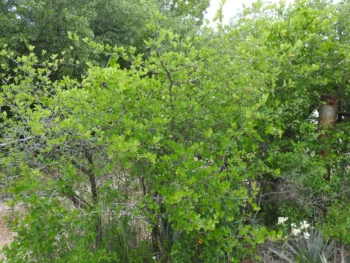
Reverchon’s Hawthorn: A Hidden Gem of the American Prairie
Meet Reverchon’s hawthorn (Crataegus reverchonii), a charming native shrub that’s been quietly beautifying the American prairie for centuries. This delightful member of the rose family might not be the flashiest plant in the garden center, but it’s got personality, resilience, and a whole lot of ecological value packed into its thorny branches.
What Makes Reverchon’s Hawthorn Special?
This perennial shrub is a true American native, calling the south-central United States home. You’ll find it naturally growing across Arkansas, Kansas, Missouri, Oklahoma, and Texas, where it has adapted beautifully to the region’s challenging climate conditions.
- Species observed
- No observations
As a multi-stemmed woody shrub, Reverchon’s hawthorn typically reaches heights of 13-16 feet, though it can sometimes stretch taller or remain more compact depending on growing conditions. Its branching structure creates an attractive, somewhat irregular form that adds natural character to any landscape.
A Word of Caution: Rarity Matters
Before we dive into growing tips, there’s something important to know: Reverchon’s hawthorn is considered critically imperiled (S1 status) in Arkansas. This means it’s extremely rare in that state, with very few known populations. If you’re interested in growing this species, please only purchase from reputable nurseries that use responsibly sourced, nursery-propagated material—never collect from wild populations.
Why Choose Reverchon’s Hawthorn for Your Garden?
This native beauty offers several compelling reasons to earn a spot in your landscape:
- Spring Spectacle: Clusters of white flowers create a stunning display in late spring
- Wildlife Magnet: Flowers attract bees, butterflies, and other beneficial pollinators
- Fall Interest: Small red fruits (called haws) provide food for birds and add autumn color
- Low Maintenance: Once established, it’s remarkably drought tolerant and requires minimal care
- Ecological Value: As a native species, it supports local ecosystems and wildlife
Where Does It Fit in Your Landscape?
Reverchon’s hawthorn shines in naturalistic settings where its wild, somewhat untamed character can be appreciated. Consider it for:
- Prairie and native plant gardens
- Woodland edge plantings
- Wildlife habitat gardens
- Naturalized areas where you want to reduce maintenance
- Erosion control on slopes
It’s particularly well-suited for gardeners who prefer a more natural, less manicured look in their landscapes.
Growing Conditions and Care
One of the best things about Reverchon’s hawthorn is its adaptability. This tough native thrives in USDA hardiness zones 6-9, making it suitable for a wide range of climates across its native region.
Light Requirements: Full sun to partial shade (though flowering is best in full sun)
Soil Preferences: Well-drained soils are essential. It’s quite adaptable to different soil types but won’t tolerate waterlogged conditions.
Water Needs: Drought tolerant once established, typically after the first growing season. Young plants benefit from regular watering until their root systems develop.
Planting and Care Tips
Getting your Reverchon’s hawthorn off to a good start is straightforward:
- Timing: Plant in early spring or fall when temperatures are moderate
- Spacing: Give it room to spread—plant at least 8-10 feet from other large shrubs or structures
- Mulching: Apply a 2-3 inch layer of organic mulch around the base, keeping it away from the trunk
- Pruning: Minimal pruning needed, but wear heavy gloves—those thorns mean business!
- Fertilizing: Generally unnecessary; native plants prefer lean soils
The Thorny Truth
Let’s address the elephant in the room—or should we say, the thorns on the branch? Yes, Reverchon’s hawthorn comes equipped with serious thorns. While this might seem like a drawback, these thorns serve important ecological functions, providing nesting sites and protection for small birds. Just plan accordingly when placing it in your landscape, keeping it away from high-traffic areas where people or pets might accidentally encounter those spikes.
Is Reverchon’s Hawthorn Right for You?
This native shrub is perfect for gardeners who:
- Want to support local wildlife and pollinators
- Prefer low-maintenance, drought-tolerant plants
- Appreciate the natural, wild aesthetic of native plants
- Have space for a medium to large shrub
- Don’t mind working around thorny plants
However, it might not be the best choice if you have small children who play in the garden frequently, or if you prefer highly manicured, formal landscapes.
Reverchon’s hawthorn represents the quiet resilience and understated beauty of America’s native flora. By choosing to grow this remarkable shrub (from responsibly sourced material), you’re not just adding an attractive plant to your garden—you’re participating in the conservation of our native plant heritage and creating habitat that supports the intricate web of life in your own backyard.