Rhizome Fleabane: A Rare Southwestern Native Worth Protecting
If you’re passionate about conservation gardening and live in the American Southwest, you might want to learn about rhizome fleabane (Erigeron rhizomatus). But before you start planning where to plant it, there’s something crucial you need to know: this little wildflower is fighting for survival.
A Plant in Peril
Rhizome fleabane holds the sobering distinction of being listed as Threatened in the United States, with a Global Conservation Status of S2, meaning it’s imperiled due to extreme rarity. With typically only 6 to 20 known occurrences and possibly fewer than 3,000 individual plants remaining, this species teeters on the edge of extinction.
If you’re considering growing rhizome fleabane, please only use responsibly sourced material from reputable native plant nurseries or conservation programs. Never collect from wild populations.
Where Does Rhizome Fleabane Call Home?
This rare perennial is native to the southwestern United States, specifically found in Arizona and New Mexico. Its extremely limited geographic range contributes to its vulnerable status, making every garden that responsibly cultivates this species a potential refuge.
- Species observed
- No observations
What Makes It Special?
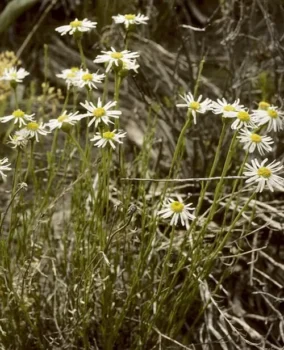
Rhizome fleabane is a herbaceous perennial forb, meaning it’s a non-woody flowering plant that returns year after year. Like its fleabane cousins, it likely produces charming daisy-like flowers with white petals surrounding sunny yellow centers. The rhizome in its name hints at its underground root system, which helps it persist through challenging conditions.
Garden Role and Aesthetic Appeal
While we don’t have extensive cultivation data for this rare species, fleabanes generally offer:
- Delicate, cottage garden-style blooms
- Extended flowering periods
- Low-growing, ground-covering habit
- Drought-tolerant once established
In a landscape design, rhizome fleabane would be perfect for specialized native plant gardens, xeriscaping projects, or conservation-focused landscapes where preserving rare species takes priority over flashy displays.
Growing Conditions and Care
Based on its native habitat in Arizona and New Mexico, rhizome fleabane likely thrives in:
- Well-draining soils (essential for preventing root rot)
- Full sun exposure
- Low water conditions once established
- USDA hardiness zones 5-9 (estimated based on geographic range)
Planting and Care Tips
If you’re committed to growing this conservation-priority species:
- Start with seeds or plants from reputable conservation nurseries only
- Plant in spring after the last frost
- Ensure excellent drainage – soggy soil is likely fatal
- Water sparingly once established; overwatering is probably the biggest threat
- Avoid fertilizers, which can harm native desert plants
- Consider growing multiple plants to support genetic diversity
Supporting Pollinators and Wildlife
While specific data on rhizome fleabane’s wildlife benefits isn’t readily available, fleabanes generally attract native bees, butterflies, and other beneficial insects. By growing this rare species, you’re not just supporting the plant itself, but potentially the specialized pollinators that depend on it.
The Bottom Line
Rhizome fleabane isn’t a plant for casual gardeners or those seeking instant gratification. It’s a species for dedicated conservationists willing to provide specialized care and source plants responsibly. If you live within its native range and are passionate about preserving biodiversity, this rare fleabane could be a meaningful addition to your conservation garden.
Remember: with great rarity comes great responsibility. Only pursue this plant if you’re committed to ethical sourcing and proper care. Our native plant heritage depends on gardeners who understand that some species need extra protection to survive.