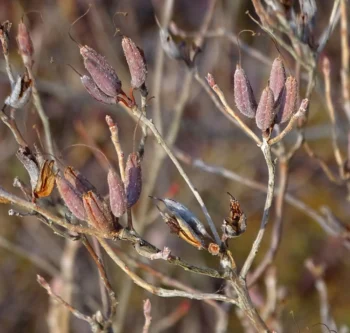
Rhodora: The Early-Blooming Native Gem That Kicks Off Spring
If you’re looking for a native shrub that practically throws a purple party before most plants have even thought about waking up from winter, let me introduce you to rhodora (Rhododendron canadense). This early-blooming beauty is like nature’s way of saying spring is here! – often flowering while there’s still snow on the ground.
What Makes Rhodora Special?
Rhodora goes by its scientific name Rhododendron canadense, and you might occasionally see it listed under its old botanical aliases Azalea canadensis or Rhodora canadensis. But whatever you call it, this perennial shrub is a true showstopper when it decides to bloom in mid-spring.
This multi-stemmed woody plant typically reaches 6-12 feet tall at maturity (though it can stretch to 18 feet in ideal conditions), making it perfect for adding structure to your landscape without overwhelming smaller spaces. With a moderate growth rate, you won’t be waiting decades to enjoy its full glory, but it won’t take over your garden overnight either.
Where Rhodora Calls Home
Rhodora is native to eastern North America, naturally occurring across Canada in New Brunswick, Nova Scotia, Ontario, Prince Edward Island, Quebec, Labrador, and Newfoundland. In the United States, you’ll find it growing wild from Maine down through the northeastern states including Massachusetts, New Hampshire, Vermont, New York, Connecticut, Rhode Island, Pennsylvania, and New Jersey.
- Species observed
- No observations
A Conservation Note
Here’s something important to know: while rhodora thrives across much of its range, it’s listed as endangered in New Jersey with an S1 rarity status. If you’re considering adding this beauty to your garden, please make sure you’re purchasing from reputable nurseries that propagate their plants responsibly rather than collecting from wild populations.
Why Your Garden (And Local Wildlife) Will Love Rhodora
Rhodora brings several fantastic qualities to your landscape:
- Early season color: Those gorgeous purple flowers appear in mid-spring, often before the leaves emerge, creating a stunning early-season display when most of the garden is still waking up
- Fall interest: The coarse-textured, dark green foliage puts on a second show in autumn, turning beautiful shades of orange and red
- Pollinator support: Early blooms provide crucial nectar for native bees, butterflies, and other pollinators when few other food sources are available
- Natural form: Its semi-erect, multiple-stem growth habit creates an attractive, naturalistic shape that works beautifully in woodland settings
Perfect Garden Spots for Rhodora
Rhodora isn’t your typical plant anywhere shrub – it has some specific preferences that make it ideal for certain garden situations:
- Woodland gardens and naturalized areas
- Native plant gardens focusing on northeastern flora
- Rain gardens and bog gardens
- Areas with consistent moisture and acidic soil
- Partially shaded locations
Growing Rhodora Successfully
Here’s where rhodora gets a bit particular – but once you understand its needs, it’s quite manageable:
Soil Requirements
Rhodora absolutely insists on acidic soil with a pH between 4.0 and 5.3. It adapts well to coarse or medium-textured soils but struggles in heavy, fine-textured clay. Think woodland conditions – rich, organic, and well-draining but consistently moist.
Water and Light Needs
This shrub has high moisture requirements and low drought tolerance, so consistent watering is crucial, especially during dry spells. It’s also quite shade tolerant, preferring partial shade over full sun exposure.
Climate Considerations
Rhodora thrives in USDA hardiness zones 2-6, handling temperatures as low as -23°F. It needs at least 120 frost-free days and performs best in areas receiving 35-50 inches of precipitation annually.
Planting and Care Tips
- Site selection: Choose a location with morning sun and afternoon shade, protected from harsh winds
- Soil preparation: Amend heavy soils with organic matter and ensure good drainage while maintaining moisture retention
- Planting: Space plants 6-9 feet apart (300-2700 plants per acre depending on your goals)
- Mulching: Apply a 2-3 inch layer of organic mulch to maintain soil moisture and suppress weeds
- Watering: Maintain consistent soil moisture, especially during the first few years of establishment
- Pruning: Minimal pruning needed; remove dead or damaged branches in late spring after flowering
Propagation Options
If you’re interested in growing rhodora from scratch, you have several options. Seeds require cold stratification and have low germination vigor, so patience is key. Cuttings can work but require some skill. For most home gardeners, purchasing container-grown plants from reputable native plant nurseries is the most reliable approach.
Is Rhodora Right for Your Garden?
Rhodora is perfect for gardeners who:
- Want to support native ecosystems and early pollinators
- Have acidic, moist soil conditions or are willing to create them
- Appreciate subtle, naturalistic beauty over flashy garden displays
- Are gardening in zones 2-6 with adequate moisture
- Want a low-maintenance shrub once established
However, rhodora might not be the best choice if you’re dealing with alkaline soils, drought conditions, or extremely hot climates.
With its early spring blooms, gorgeous fall color, and important role in supporting native ecosystems, rhodora offers gardeners a chance to grow something truly special. Just remember to source your plants responsibly and give this woodland beauty the acidic, moist conditions it craves. Your early-season pollinators will thank you!