Ridgestem False Foxglove: A Rare Southern Beauty Worth Protecting
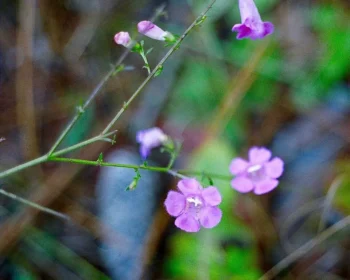
If you’re passionate about native plants and conservation, you might want to get acquainted with ridgestem false foxglove (Agalinis oligophylla). This charming annual wildflower is one of those special plants that quietly adds beauty to the landscape while playing an important ecological role. But here’s the thing – it’s also quite rare, which makes it both fascinating and worthy of our protection.
What Makes Ridgestem False Foxglove Special?
Ridgestem false foxglove is a delicate annual forb that belongs to a group of plants that don’t develop woody stems. Think of it as nature’s way of creating temporary beauty – it completes its entire life cycle in just one growing season, but what a show it puts on! This native wildflower produces small, tubular flowers in shades of pink to purple that bloom in late summer and fall, providing a welcome splash of color when many other wildflowers are winding down for the year.
The plant gets its ridgestem common name from the distinctive ridged or angular stems that help distinguish it from its close relatives in the Agalinis genus.
Where Does It Call Home?
This southeastern native has a relatively limited range, naturally occurring in Alabama, Louisiana, Mississippi, Tennessee, and Texas. It’s particularly fond of the coastal plain regions where sandy soils and specific moisture conditions create just the right environment for its growth.
- Species observed
- No observations
A Conservation Concern
Here’s where things get serious – ridgestem false foxglove is considered rare. It holds a global conservation status of S1S2Q, and in Alabama specifically, it’s ranked as S1, meaning it’s critically imperiled. This rarity makes it a plant that deserves our attention and respect.
If you’re interested in growing this species, it’s crucial to source seeds or plants only from reputable native plant suppliers who can guarantee responsibly collected material. Never collect seeds or plants from wild populations, as this could further threaten already vulnerable populations.
Garden Role and Landscape Use
Despite its rarity in the wild, ridgestem false foxglove can be a wonderful addition to the right garden setting. It’s perfectly suited for:
- Native wildflower gardens
- Naturalized meadow areas
- Conservation plantings
- Pollinator gardens in its native range
The plant’s delicate flowers and fine-textured foliage add a subtle charm rather than bold statement, making it an excellent supporting player in wildflower compositions.
Pollinator and Wildlife Benefits
Like many native wildflowers, ridgestem false foxglove supports local ecosystems by providing nectar for native bees, butterflies, and other small pollinators. Its late-season blooming period makes it particularly valuable, offering food sources when many other flowers have finished for the year.
Growing Conditions and Care
This adaptable little plant can handle both wetland and upland conditions – it’s classified as facultative for wetland status, meaning it’s equally comfortable in moist and well-drained soils. For successful cultivation, provide:
- Full sun to partial shade
- Sandy or well-draining soils
- USDA hardiness zones 8-10
- Minimal fertilization (like many natives, it prefers lean soils)
Planting and Care Tips
As an annual, ridgestem false foxglove is best established through direct seeding in fall. The seeds need a period of cold stratification over winter to germinate properly in spring. Once established, it requires minimal care – just occasional watering during extended dry periods and allowing it to complete its life cycle and drop seeds for the following year.
Since it’s an annual, don’t be surprised if populations fluctuate from year to year. This is normal behavior for annual wildflowers, and part of their natural survival strategy.
The Bottom Line
Ridgestem false foxglove represents something special in the native plant world – a beautiful wildflower that needs our help to thrive. If you live within its native range and can source responsibly collected seeds, consider adding it to your wildflower garden. You’ll be supporting both local pollinators and conservation efforts while enjoying the subtle beauty of this rare southeastern gem.
Remember, every native plant we grow in our gardens is a small act of conservation, but with rare species like this one, we have an extra responsibility to do it right.