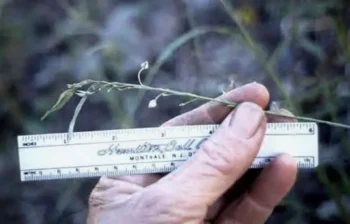
Rincon Mountain Rockcress: A Rare Arizona Native Worth Protecting
If you’re drawn to rare and unusual native plants, Rincon Mountain rockcress (Arabis tricornuta) might catch your attention. This tiny perennial is one of Arizona’s botanical treasures – and that’s both the good news and the complicated news for gardeners.
What Makes This Plant Special
Rincon Mountain rockcress is a small, mat-forming perennial that produces delicate white flowers in spring. Like other members of the mustard family, its four-petaled blooms are simple but charming, creating a subtle carpet of white against rocky terrain. The plant forms low cushions that hug the ground, rarely growing more than a few inches tall but spreading modestly to create natural groundcover.
Where It Calls Home
This rockcress is what botanists call an endemic – it exists naturally in only one place on Earth. Specifically, Arabis tricornuta is native to Arizona, where it clings to life in the rocky slopes and crevices of its mountain habitat.
- Species observed
- No observations
The Rarity Factor: Handle with Care
Here’s where things get serious. Rincon Mountain rockcress has a Global Conservation Status of S1S2, which means it’s critically imperiled to imperiled in the wild. In plain English? This plant is really, really rare. So rare, in fact, that if you’re considering growing it, you need to think like a conservationist first and a gardener second.
If you want to grow this plant, only obtain it from reputable native plant nurseries that propagate from legally and ethically sourced material. Never collect from the wild – doing so could push this species closer to extinction.
Growing Conditions: Recreating Arizona’s Rocky Heights
Rincon Mountain rockcress isn’t your typical backyard perennial. It evolved in harsh, rocky conditions and expects nothing less in your garden:
- Drainage is everything: This plant will rot in ordinary garden soil. Think pure gravel, pumice, or specially prepared rock garden mix
- Sun exposure: Full sun to partial shade, mimicking its natural habitat
- Water: Minimal once established. This is a true drought-adapted plant
- Soil: Rocky, mineral-rich, alkaline soils work best
- Climate: Best suited for USDA zones 8-10, matching its Arizona origins
Garden Role and Design Ideas
If you can provide the right conditions, Rincon Mountain rockcress works beautifully in:
- Specialized rock gardens with excellent drainage
- Alpine plant collections
- Xerophytic (drought-adapted) plant displays
- Conservation gardens focused on rare natives
- Containers with mineral-based growing media
Benefits for Wildlife
The small white flowers provide nectar for early spring pollinators, including small native bees and flies. While not a major wildlife plant due to its size and rarity, every native flower contributes to the local ecosystem.
Planting and Care Tips
Success with this rare beauty requires attention to detail:
- Site preparation: Create a raised bed or mounded area with 6-12 inches of well-draining mineral soil mix
- Planting: Spring planting allows establishment before summer heat
- Watering: Water sparingly during establishment, then rely mainly on natural rainfall
- Mulching: Use gravel or stone chips rather than organic mulch
- Fertilizing: None needed – this plant thrives in poor soils
Should You Grow It?
Rincon Mountain rockcress is a plant for serious collectors and conservationists rather than casual gardeners. Consider growing it if you:
- Have experience with challenging alpine or desert plants
- Can provide the specific growing conditions it requires
- Are committed to conservation and responsible sourcing
- Want to participate in preserving rare native species
For most gardeners interested in Arizona natives, consider more readily available alternatives like desert marigold, brittlebush, or other rockcress species that aren’t critically rare.
The Bottom Line
Rincon Mountain rockcress represents both the beauty and fragility of our native plant heritage. While it can be a rewarding addition to the right garden, growing it comes with the responsibility of conservation stewardship. If you choose to grow this rare gem, do so thoughtfully, ethically, and with the long-term survival of the species in mind.