Riverbank Grape: The Hardy Native Vine That’s Both Blessing and Challenge
If you’ve ever wandered along a stream or river edge, chances are you’ve encountered riverbank grape (Vitis riparia) without even knowing it. This vigorous native vine is one of North America’s most widespread grape species, and it’s got quite the personality – equal parts helpful and handful.
What Exactly is Riverbank Grape?
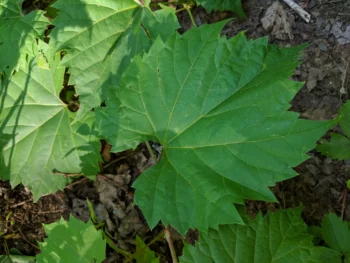
Riverbank grape is a perennial climbing vine that can reach impressive heights of up to 45 feet when it finds the right support. Don’t let the name fool you – while it loves moisture, this adaptable plant can thrive in a variety of conditions far from any riverbank. With its heart-shaped leaves, tiny white flowers, and clusters of small dark blue grapes, it’s got that classic wild grape look that many gardeners find charming.
You might also see this plant listed under various scientific synonyms in older gardening references, including Vitis vulpina varieties, but Vitis riparia is the accepted name today.
Where Does It Call Home?
This vine is a true North American native, found naturally across an impressive range that includes most of Canada and extends through the lower 48 states. From Manitoba to Texas, and from Maine to Montana, riverbank grape has made itself at home in diverse climates and conditions. Its extensive distribution includes: Arkansas, Colorado, Connecticut, Illinois, Indiana, Iowa, Kansas, Kentucky, Louisiana, Maine, Maryland, Massachusetts, Michigan, Minnesota, Missouri, Montana, Nebraska, New Hampshire, New Jersey, New York, North Carolina, North Dakota, Ohio, Oklahoma, Oregon, Pennsylvania, Rhode Island, South Dakota, Tennessee, Texas, Vermont, Virginia, Washington, West Virginia, Wisconsin, and Wyoming, plus several Canadian provinces.
- Species observed
- No observations
The Good, The Bad, and The Grapey
Why you might love it:
- Incredibly hardy (survives temperatures down to -33°F!)
- Fast-growing natural screen for unsightly areas
- Excellent for erosion control on slopes
- Produces small grapes that wildlife absolutely adore
- Tolerates both wet and moderately dry conditions
- Beautiful fall color as leaves turn golden yellow
- Supports native pollinators with its spring flowers
Why you might want to think twice:
- Can become quite aggressive and take over if not managed
- Needs sturdy support due to its potential 45-foot reach
- Moderate growth rate means patience is required initially
- Dense summer foliage can overwhelm smaller plants nearby
Growing Conditions That Make It Happy
Riverbank grape is surprisingly adaptable, but it does have some preferences. It thrives in USDA zones 2-7, making it one of the most cold-hardy native vines you can grow. The plant prefers slightly acidic to neutral soil (pH 6.1-8.5) and appreciates fertile conditions, though it’s not particularly fussy about soil texture – coarse or medium-textured soils work well.
Moisture-wise, this vine is quite flexible. While it naturally gravitates toward wetland edges (hence that riverbank name), it can handle moderate drought once established. It shows intermediate shade tolerance, so while it’ll grow in partial shade, full sun will give you the best growth and fruit production.
Perfect Garden Roles
Riverbank grape shines in several landscape situations:
- Naturalized areas: Let it ramble through trees at the edge of your property
- Rain gardens: Its wetland tolerance makes it perfect for moisture-loving garden designs
- Wildlife gardens: Both the flowers and fruits support local ecosystems
- Erosion control: Excellent for stabilizing slopes near water features
- Screening: Creates dense coverage for privacy (with proper support)
Planting and Care Tips
Getting riverbank grape established is fairly straightforward. You can start with seeds (about 14,500 seeds per pound if you’re counting!), though they do require cold stratification. For faster results, look for container plants or try propagating from cuttings.
Plant in spring after your last frost – this vine needs at least 170 frost-free days to thrive. Space plants about 170-300 per acre if you’re doing large-scale plantings, or simply give individual vines plenty of room to spread in home landscapes.
Once established, maintenance is relatively low. The vine will resprout if cut back, making it quite resilient. However, be prepared to do some annual pruning to keep it within bounds – this is not a plant and forget species if you want to maintain any semblance of control over your landscape!
The Bottom Line
Riverbank grape is like that friend who’s incredibly fun but needs some boundaries. If you have space for a vigorous native vine and don’t mind doing some annual management, it can be a fantastic addition to wildlife-friendly and naturalized landscapes. Just make sure you’ve got sturdy support structures and a plan for keeping it in check.
For smaller gardens or more formal landscapes, you might want to consider other native vines that are a bit more mannerly. But if you’re looking to support local wildlife, control erosion, or add quick coverage to a large area, riverbank grape could be exactly what your landscape needs.