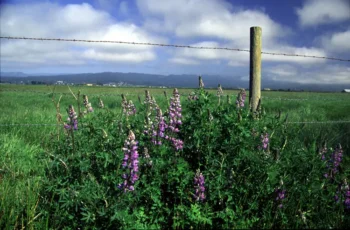
Riverbank Lupine: A Rare Native Beauty for Pacific Northwest Gardens
If you’re looking to add a splash of purple-blue blooms to your native garden while supporting local pollinators, riverbank lupine (Lupinus rivularis) might just be the perfect addition. This charming perennial herb brings the classic lupine flower spike to naturalized landscapes across the Pacific Northwest, though its somewhat elusive nature makes it a special find for native plant enthusiasts.
Where You’ll Find Riverbank Lupine in the Wild
Riverbank lupine is a true native of western North America, naturally occurring in British Columbia, California, Oregon, and Washington. As its common name suggests, this species typically grows near waterways and in moist areas, though it’s adaptable enough to thrive in various conditions from wetlands to upland sites.
- Species observed
- No observations
What Makes This Lupine Special
Like other members of the lupine family, riverbank lupine is a forb herb – essentially a non-woody perennial plant that dies back to the ground each winter and returns fresh each spring. What sets it apart is its preference for moister conditions compared to many of its lupine cousins, making it particularly valuable for gardeners dealing with areas that stay a bit wetter than ideal for other native plants.
The plant produces the signature lupine flower spikes in shades of purple-blue, typically blooming from late spring into early summer. These eye-catching displays not only add vertical interest to your garden but also serve as beacons for hungry pollinators.
A Word About Rarity
Here’s something important to know: riverbank lupine has a conservation status that indicates it’s somewhat uncommon in parts of its range. If you’re interested in growing this species, please make sure to source your plants or seeds from reputable native plant nurseries that ethically collect their material. Never dig plants from the wild, and avoid purchasing from sources that might have collected irresponsibly.
Perfect Spots in Your Garden
Riverbank lupine shines in several garden settings:
- Native plant gardens focusing on Pacific Northwest species
- Pollinator gardens that need plants for moister areas
- Naturalized landscapes and wildflower meadows
- Rain gardens or areas with seasonal moisture
- Edges of ponds or water features
Growing Conditions That Make It Happy
This lupine is fairly adaptable, but it does have some preferences:
- Sunlight: Full sun to partial shade
- Soil: Well-draining but moisture-retentive soil
- Water: Moderate moisture; more tolerant of wet conditions than many lupines
- Hardiness: Zones 7-9
The plant’s wetland status varies by region – in the Arid West, it usually grows in non-wetland areas but can handle some moisture, while in the Western Mountains and Coast regions, it’s equally happy in wet or dry conditions.
Planting and Care Tips
Like most lupines, riverbank lupine is best started from seed, which you can direct sow in fall for spring germination. The seeds have hard coats, so you might want to scarify them lightly or soak them overnight before planting to improve germination rates.
Once established, this perennial is relatively low-maintenance. It doesn’t require rich soil – in fact, like other legumes, it can actually improve soil fertility by fixing nitrogen. Just make sure it doesn’t get too dry during its first growing season while the roots are getting established.
Benefits for Wildlife
Riverbank lupine is a valuable addition to any pollinator garden. The flower spikes attract various bees, butterflies, and other beneficial insects. As with other lupines, the foliage may also serve as a host plant for certain butterfly larvae, making it a great choice for gardeners interested in supporting the complete life cycles of native insects.
Is Riverbank Lupine Right for Your Garden?
If you garden in the Pacific Northwest and have a spot that stays reasonably moist, riverbank lupine could be a wonderful addition to your native plant collection. Its relative rarity makes it an interesting conversation piece, while its pollinator benefits and attractive blooms make it a functional beauty.
Just remember to source it responsibly, give it the moisture it appreciates, and enjoy watching the parade of pollinators that will undoubtedly discover this native gem in your garden.