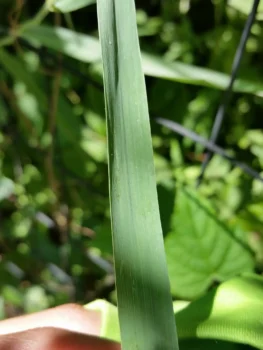
Riverbank Wildrye: A Native Grass That Loves Getting Its Feet Wet
If you’re looking for a native grass that thrives in those soggy spots where other plants throw in the towel, meet riverbank wildrye (Elymus riparius). This graceful perennial grass is like that friend who actually enjoys rainy days – it’s perfectly at home in wet conditions and brings a natural, flowing beauty to moisture-loving landscapes.
What Makes Riverbank Wildrye Special
Riverbank wildrye is a true North American native, calling both Canada and the lower 48 states home. This bunch-forming grass grows in an upright, erect pattern and can reach up to 4.5 feet tall at maturity. With its dark green foliage and coarse texture, it creates wonderful movement in the garden as it sways in the breeze.
The plant produces yellow flowers in mid-summer, though they’re not particularly showy – this grass is more about subtle elegance than flashy blooms. The flowers eventually give way to brown seeds that persist through summer and into fall, adding seasonal interest to your landscape.
Where Does It Grow Naturally
This adaptable grass has quite an impressive range, growing naturally across much of eastern North America. You’ll find it thriving in states from Maine down to Florida and as far west as Minnesota, Iowa, and Arkansas. It also grows in Ontario and Quebec, making it a truly continental species.
- Species observed
- No observations
Important note: In Arkansas, riverbank wildrye has a rare status (S1S2), so if you’re gardening in the Natural State, make sure to source your plants or seeds from reputable native plant nurseries that use responsibly collected material.
Perfect Spots for Planting
Riverbank wildrye is your go-to grass for those challenging wet areas where many plants struggle. It’s classified as a facultative wetland plant in most regions, meaning it usually occurs in wetlands but can handle drier conditions too. This makes it incredibly versatile for:
- Rain gardens and bioswales
- Streamside and pond edge plantings
- Low-lying areas that stay moist
- Native plant gardens
- Prairie and meadow restorations
- Erosion control on slopes near water
Growing Conditions and Care
The beauty of riverbank wildrye lies in its adaptability and low-maintenance nature. Here’s what this easy-going grass prefers:
Soil: While it loves moisture, this grass isn’t picky about soil type. It adapts well to coarse, medium, or fine-textured soils and can handle pH levels from 4.5 to 7.2.
Water: High moisture use means this grass thrives with consistent water. It has low drought tolerance, so don’t expect it to tough out dry spells.
Light: Unlike many grasses that demand full sun, riverbank wildrye is shade tolerant, making it perfect for partially shaded wet areas.
Hardiness: This tough grass can handle temperatures as low as -33°F and needs at least 100 frost-free days, making it suitable for USDA zones 3-9.
Planting and Establishment
Getting riverbank wildrye started in your garden is refreshingly straightforward:
- Seed starting: This grass propagates easily from seed, with about 125,000 seeds per pound
- When to plant: Seeds can be sown in fall or early spring
- Germination: No cold stratification required, and seedlings show high vigor
- Growth rate: Expect moderate growth with active growing periods in spring and summer
- Spacing: Allow adequate room as mature plants form substantial clumps
Maintenance and Long-term Care
Once established, riverbank wildrye is fairly hands-off. The grass has a moderate lifespan and moderate growth rate, so it won’t overwhelm your garden or disappear too quickly. It doesn’t spread vegetatively, staying put where you plant it, which makes it well-behaved in designed landscapes.
For maintenance, simply cut back the foliage in late winter or early spring before new growth begins. The plant has no known allelopathic properties, so it plays nicely with neighboring plants.
Wildlife and Ecological Benefits
While riverbank wildrye may not attract butterflies with showy flowers, it serves important ecological functions. Native grasses like this provide crucial habitat structure for wildlife and help stabilize soil in wet areas. The seeds provide food for birds, and the dense growth offers shelter and nesting sites.
Is Riverbank Wildrye Right for Your Garden
Choose riverbank wildrye if you have consistently moist to wet areas in your landscape and want a low-maintenance native grass that adds natural beauty without being aggressive. It’s particularly valuable for:
- Gardeners dealing with wet, problem areas
- Those creating wildlife habitat
- Native plant enthusiasts
- Rain garden installations
- Naturalistic landscape designs
Skip this grass if you have dry conditions or need something for full desert sun – it simply won’t be happy in drought-prone spots.
With its graceful form, easy-care nature, and important ecological role, riverbank wildrye proves that sometimes the most beautiful garden solutions are the ones that work with nature rather than against it. Give this moisture-loving native a try in your wet spots – you might find it’s exactly what your landscape was missing.