Robbins’ Pondweed: A Hidden Gem for Water Gardens and Wetland Restoration
If you’re looking to create an authentic aquatic ecosystem in your water garden or contribute to wetland restoration, Robbins’ pondweed (Potamogeton robbinsii) might just be the native plant you’ve been searching for. This unassuming perennial forb may not win any beauty contests, but it plays a crucial role in North American aquatic ecosystems.
What Exactly Is Robbins’ Pondweed?
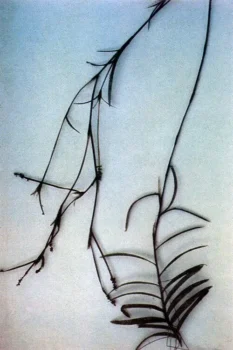
Robbins’ pondweed is a completely submerged aquatic plant that spends its entire life underwater. As a perennial forb, it lacks woody tissue and produces fine, linear leaves arranged in distinctive whorls around its stems. Don’t expect showy flowers – this plant produces small, inconspicuous green blooms that appear briefly at the water’s surface during late summer.
Where Does It Call Home?
This remarkable plant has one of the most impressive native ranges in North America. You can find Robbins’ pondweed naturally occurring across a vast territory that includes Alaska, most Canadian provinces, and numerous U.S. states from coast to coast. Its range spans from Alberta and British Columbia down to California and across to the Atlantic provinces, with populations scattered throughout states like Colorado, Maine, Michigan, and many others in between.
- Species observed
- No observations
Should You Plant Robbins’ Pondweed?
Here’s where things get interesting – and a bit complicated. While this native plant offers genuine ecological benefits, it’s not your typical garden center purchase. Before you get too excited, there are some important considerations:
The Conservation Concern
In New Jersey, Robbins’ pondweed holds a rarity status of S2, meaning it’s imperiled in the state. If you live in an area where this plant is rare, only consider planting it if you can source it responsibly from reputable native plant suppliers who propagate rather than wild-harvest their stock.
Why You Might Want It
- It’s a true native that supports local aquatic ecosystems
- Provides underwater structure and habitat in water features
- Helps oxygenate water naturally
- Perfect for wetland restoration projects
- Extremely cold tolerant (survives temperatures down to -38°F)
Why You Might Want to Skip It
- Zero ornamental appeal – it’s purely functional
- Requires pristine water conditions to thrive
- Not commercially available in most areas
- Difficult to establish and maintain
- May be inappropriate to plant in areas where it’s naturally rare
Growing Conditions: It’s All About the Water
Robbins’ pondweed is the ultimate water snob. This plant demands nothing less than clean, cool, well-oxygenated water. It’s classified as an Obligate Wetland species across all regions, meaning you’ll never find it anywhere but completely submerged aquatic environments.
Here are the key growing requirements:
- Water quality: Clean, unpolluted water is non-negotiable
- pH requirements: Prefers slightly acidic to neutral water (pH 5.8-7.0)
- Temperature: Thrives in cool water; struggles in warm conditions
- Light: Needs full sun penetration through the water
- Depth: Completely submerged, typically in shallow to moderate depths
- Hardiness: Extremely cold tolerant (USDA zones 3-8)
The Reality Check: Planting and Care
Let’s be honest – Robbins’ pondweed isn’t for the casual water gardener. This plant has specific needs that can be challenging to meet:
Propagation Options
You can propagate this plant through seeds, bare root divisions, or sprigs, but success rates tend to be low. Seeds have poor persistence and low vigor, while the plant spreads vegetatively at only a moderate rate.
Establishment Challenges
With a rapid growth rate during the growing season but low seedling vigor, getting this plant established requires patience and ideal conditions. It’s highly sensitive to water quality changes and disturbance.
The Bottom Line
Robbins’ pondweed is a fascinating native plant that plays an important role in aquatic ecosystems, but it’s not for everyone. Consider it if you’re working on a wetland restoration project, maintaining a natural pond, or creating habitat for native aquatic species. However, if you’re looking for an easy-care water garden plant with visual appeal, you might want to explore other native aquatic options that are more forgiving and readily available.
Remember, if you do decide to grow this plant, source it responsibly and be mindful of its conservation status in your area. Sometimes the best way to appreciate a rare native plant is to support its conservation in wild habitats rather than trying to grow it in our gardens.