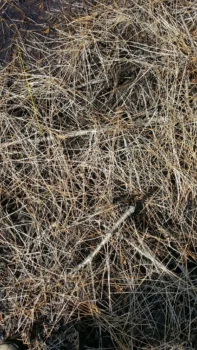
Robbins’ Spikerush: A Rare Wetland Gem Worth Protecting
Meet Robbins’ spikerush (Eleocharis robbinsii), a delicate native sedge that’s quietly doing important work in wetlands across eastern North America. While it might not win any beauty contests with its subtle, grass-like appearance, this unassuming perennial plays a crucial role in healthy wetland ecosystems.
What Makes Robbins’ Spikerush Special?
Don’t let its modest looks fool you – Robbins’ spikerush is a fascinating little plant. As a member of the sedge family, it produces thin, grass-like stems that emerge directly from the ground. Unlike flashy garden perennials, its beauty lies in its understated elegance and the vital ecological services it provides.
This native sedge is what botanists call an obligate wetland species, meaning it almost always occurs in wetland conditions. Think of it as nature’s way of saying water required! – and lots of it.
Where You’ll Find It Growing Wild
Robbins’ spikerush calls eastern North America home, with populations stretching from southeastern Canada down through the eastern United States. You can find it growing naturally in Alabama, Connecticut, Delaware, Florida, Georgia, Indiana, Maine, Maryland, Massachusetts, Michigan, Mississippi, New Hampshire, New Jersey, New York, North Carolina, Pennsylvania, Rhode Island, South Carolina, Vermont, Virginia, and Wisconsin, plus several Canadian provinces including New Brunswick, Nova Scotia, Ontario, and Quebec.
- Species observed
- No observations
A Word of Caution: This Plant Needs Our Protection
Here’s something important to know: Robbins’ spikerush is considered critically imperiled in Alabama, where it holds an S1 rarity status. This means the species faces a high risk of extinction in that state due to very limited populations or occurrences.
If you’re interested in growing this species, please source it responsibly from reputable native plant nurseries or seed suppliers who collect ethically and sustainably. Never harvest from wild populations – they need every plant they can get!
Is Robbins’ Spikerush Right for Your Garden?
Let’s be honest – this isn’t a plant for every garden. Robbins’ spikerush has some pretty specific requirements that make it best suited for specialized situations:
- Wetland gardens: Perfect for bog gardens, rain gardens, or pond edges
- Restoration projects: Excellent choice for wetland restoration efforts
- Naturalistic plantings: Great for creating authentic native plant communities
- Conservation gardens: Ideal if you’re passionate about preserving rare species
Growing Conditions: Water, Water Everywhere
If you decide to take on the challenge of growing Robbins’ spikerush, here’s what you need to know about keeping it happy:
- Moisture: Consistently moist to saturated soil is non-negotiable
- Light: Full sun to partial shade
- Hardiness: Thrives in USDA zones 4-9
- Soil: Tolerates various wetland soil types
Planting and Care Tips
Successfully growing Robbins’ spikerush requires recreating wetland conditions in your landscape:
- Plant in spring when conditions are naturally moist
- Ensure constant moisture – this plant cannot tolerate drought
- Consider installing it near water features, in low-lying areas, or in specially designed bog gardens
- Minimal fertilization needed – wetland plants are adapted to nutrient-poor conditions
- Allow natural spread through underground rhizomes
Wildlife and Ecosystem Benefits
While Robbins’ spikerush might not be a pollinator magnet (it’s wind-pollinated), it provides valuable ecosystem services. As part of healthy wetland communities, it helps with water filtration, erosion control, and provides habitat structure for wetland-dependent wildlife.
The Bottom Line
Robbins’ spikerush isn’t for the casual gardener, but it’s perfect for wetland enthusiasts and conservation-minded gardeners willing to meet its specialized needs. If you have the right conditions and can source it responsibly, you’ll be helping preserve a rare and ecologically important native species.
Remember: successful wetland gardening often requires patience and the right mindset. You’re not just growing a plant – you’re recreating a slice of one of North America’s most important and threatened ecosystems. Now that’s something worth getting excited about!