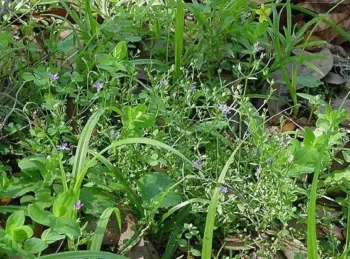
Robins’ Bellflower: A Rare Florida Treasure Worth Protecting
Meet Robins’ bellflower (Campanula robinsiae), one of Florida’s most precious and elusive native wildflowers. This tiny member of the bellflower family has captured the attention of botanists and conservationists, but you’re unlikely to find it at your local nursery – and there’s a very good reason for that.
A Plant on the Edge
Before we dive into the details, here’s what every gardener needs to know: Robins’ bellflower is critically endangered. With a Global Conservation Status of S1 and listed as Endangered in the United States, this species is hanging on by a thread. Typically, there are only 5 or fewer known populations with very few remaining individuals (fewer than 1,000 plants total). This isn’t a plant you can casually add to your shopping list.
Where in the World?
Robins’ bellflower is what botanists call an endemic species – it’s found naturally in only one place on Earth: Florida. This annual forb (a non-woody flowering plant) has made the Sunshine State its sole home, making it incredibly special and incredibly vulnerable.
- Species observed
- No observations
The Basics: What Is Robins’ Bellflower?
Campanula robinsiae is an annual forb, meaning it completes its entire life cycle in one growing season. Like other members of the bellflower family, it lacks significant woody tissue and produces its flowers and seeds before dying back each year. The plant is also known by the scientific synonym Rotantha robinsiae, which you might encounter in older botanical references.
As a facultative wetland plant in the Atlantic and Gulf Coastal Plain region, Robins’ bellflower usually grows in wetland environments but can occasionally be found in non-wetland areas. This flexibility in habitat preference might seem like an advantage, but it hasn’t been enough to save the species from its current predicament.
Why You (Probably) Can’t Grow It
Here’s the reality check: Robins’ bellflower isn’t available through normal gardening channels, and that’s exactly how it should be. With so few plants remaining in the wild, every individual is precious for the species’ survival. Collecting seeds or plants from wild populations could push this rare beauty closer to extinction.
Additionally, we simply don’t know enough about its specific growing requirements to successfully cultivate it. The plant’s exact soil preferences, water needs, and other growing conditions remain largely unknown, making successful cultivation a significant challenge even for experienced native plant gardeners.
Supporting Conservation Instead
While you can’t grow Robins’ bellflower in your garden, you can still make a difference for Florida’s native plant heritage:
- Support organizations working on Florida native plant conservation
- Choose other native Florida wildflowers for your garden
- Learn about and protect local wetland habitats
- Spread awareness about rare plant conservation
Native Alternatives for Your Florida Garden
If you’re drawn to the idea of growing native bellflowers, consider these more common and garden-friendly alternatives:
- Southern harebell (Campanula divaricata) – if available in your area
- Other native Florida wildflowers that support pollinators and local ecosystems
- Native wetland plants if you have suitable growing conditions
The Bigger Picture
Robins’ bellflower serves as a powerful reminder of what we stand to lose when habitats are destroyed or degraded. This little annual forb represents countless other species that exist in small numbers, clinging to survival in an increasingly fragmented landscape.
Every rare plant tells a story about the importance of habitat conservation and the delicate balance of natural ecosystems. While we may not be able to grow Robins’ bellflower in our gardens, we can honor its existence by making thoughtful choices about the native plants we do cultivate and by supporting the wild spaces where rare species like this one make their last stand.
Sometimes the most important thing we can do for a plant is simply leave it alone – and make sure it has safe places to continue its ancient dance with the Florida landscape.