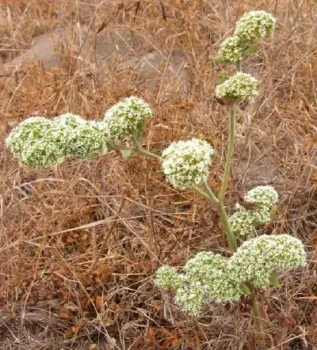
Robust Spineflower: A Rare California Native Worth Protecting
Meet the robust spineflower (Chorizanthe robusta), a small but mighty California native that’s captured the attention of botanists and conservation enthusiasts alike. Don’t let the name fool you – this isn’t your typical garden showstopper, but it’s a plant with a story worth telling and a conservation status that makes it truly special.
What Makes Robust Spineflower Special?
The robust spineflower is an annual forb – basically a non-woody herbaceous plant that completes its entire life cycle in one growing season. As a member of the buckwheat family, it’s part of California’s rich native plant heritage, but with a twist: it’s become increasingly rare in the wild.
This little plant carries an important conservation designation. With a Global Conservation Status of S2, it’s considered imperiled due to extreme rarity. We’re talking about only 6 to 20 known occurrences in the wild, with an estimated 1,000 to 3,000 individual plants remaining. That makes every single robust spineflower pretty precious!
Where Does Robust Spineflower Call Home?
If you’re not in California, you won’t find robust spineflower growing naturally in your neck of the woods. This plant is a California endemic, meaning it evolved here and exists nowhere else on Earth naturally. It’s specifically adapted to the unique coastal conditions of the Golden State.
- Species observed
- No observations
Should You Grow Robust Spineflower?
Here’s where things get interesting. While we’d love to encourage everyone to grow native plants, robust spineflower presents some unique considerations:
The Conservation Angle
If you’re passionate about plant conservation and live in California, growing robust spineflower could contribute to preserving this rare species. However – and this is a big however – you absolutely must source your plants or seeds responsibly. Never collect from wild populations, as this could further threaten an already imperiled species.
The Reality Check
Let’s be honest: robust spineflower isn’t going to win any beauty contests. This is a plant for serious native plant enthusiasts, botanists, and conservation gardeners rather than folks looking for showy blooms or dramatic garden presence. Its value lies in its rarity and ecological significance, not its ornamental appeal.
Growing Conditions and Care
If you’ve decided to take on the challenge of growing this rare beauty, here’s what you need to know:
- Climate: Suitable for USDA hardiness zones 9-10, specifically areas with Mediterranean climates
- Soil: Prefers sandy, well-draining soils typical of coastal California environments
- Water: Adapted to California’s dry summers and wet winters
- Sun exposure: Full sun conditions
- Garden type: Best suited for specialized native plant gardens, conservation collections, or naturalized areas
Special Considerations
Growing robust spineflower isn’t like planting petunias. This plant has very specific requirements that mirror its natural coastal habitat. It’s not particularly forgiving of typical garden conditions and may be challenging even for experienced native plant gardeners.
Wildlife and Pollinator Benefits
While specific wildlife benefits aren’t well-documented, as a member of the buckwheat family, robust spineflower likely provides some value to small pollinators and native insects. However, its primary value to wildlife comes through its role in maintaining the biodiversity of California’s coastal ecosystems.
The Bottom Line
Robust spineflower is a plant for the conservation-minded gardener who understands that not every native plant needs to be a garden star to be worth growing. If you’re interested in contributing to the preservation of California’s rare flora and have the right growing conditions, this could be a meaningful addition to your garden.
Just remember: with great rarity comes great responsibility. Only source plants from reputable native plant nurseries or conservation organizations, never from wild populations. And be prepared for a plant that’s more about ecological significance than visual impact.
Sometimes the most important plants in our gardens are the ones that remind us of what we stand to lose – and what we can help save.