Rock Indian Breadroot: A Rare Native Gem for Your Garden
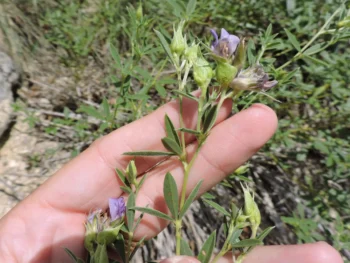
Meet rock Indian breadroot (Pediomelum reverchonii), a charming little native perennial that’s been quietly holding down the fort in Texas and Oklahoma for ages. While you might not have heard of this understated beauty, it’s definitely worth getting to know – especially if you’re passionate about native plants and supporting local ecosystems.
What Makes Rock Indian Breadroot Special?
This delightful forb (that’s botanist speak for a non-woody flowering plant) belongs to the legume family and brings a subtle elegance to any native garden. Rock Indian breadroot produces clusters of small white to pale pink flowers in spring that may look modest, but they’re absolutely beloved by native bees and other small pollinators.
As a perennial, this plant comes back year after year, slowly forming a low-growing groundcover that’s perfect for filling in those tricky spots where other plants struggle. Don’t expect it to take over your garden – this is a well-behaved plant that knows its place.
Where Does It Call Home?
Rock Indian breadroot is a true southerner, native to Oklahoma and Texas. It’s perfectly adapted to the challenging conditions of south-central United States, thriving in areas where many other plants would throw in the towel.
- Species observed
- No observations
Important Conservation Note
Here’s something crucial to know: rock Indian breadroot has a Global Conservation Status of S3, which means it’s considered vulnerable. With only 21 to 100 known occurrences and an estimated 3,000 to 10,000 individuals in the wild, this plant needs our help. If you decide to grow it (and we hope you do!), please make sure you’re getting your plants or seeds from reputable native plant nurseries that source their material responsibly – never collect from wild populations.
Why Grow Rock Indian Breadroot?
There are several compelling reasons to consider adding this native beauty to your garden:
- Supports native pollinators with spring blooms
- Extremely drought tolerant once established
- Low maintenance – no fussing required
- Perfect for rock gardens and native plant collections
- Helps preserve a vulnerable native species
- Adds authenticity to regional native landscapes
Growing Conditions and Care
Rock Indian breadroot is surprisingly easy to grow if you can meet its basic needs. This tough little plant thrives in USDA hardiness zones 6-9, making it suitable for most of Texas and Oklahoma, plus neighboring areas with similar climates.
Light: Full sun is essential – this plant loves basking in bright sunlight all day long.
Soil: Well-drained soil is absolutely critical. Rock Indian breadroot can’t stand wet feet, so avoid heavy clay or areas that stay soggy. Rocky, sandy, or gravelly soils are perfect.
Water: Once established, this drought-tolerant native rarely needs supplemental watering. During the first growing season, provide occasional deep watering to help roots establish, then let nature take over.
Planting and Care Tips
Spring is the ideal time to plant rock Indian breadroot. Here’s how to set it up for success:
- Choose a sunny spot with excellent drainage
- Plant at the same depth it was growing in the container
- Water gently after planting, then sparingly
- Avoid fertilizers – native plants don’t need them and excess nutrients can actually harm them
- Mulch lightly around plants to suppress weeds, but keep mulch away from the plant base
- Be patient – native plants often focus on root development in their first year
Perfect Garden Partners
Rock Indian breadroot shines in native plant gardens, xeriscapes, and rock gardens. It pairs beautifully with other drought-tolerant natives like little bluestem grass, purple coneflower, and native sedums. Use it as a groundcover in areas where you want something interesting but not overwhelming.
The Bottom Line
Rock Indian breadroot might not be the showiest plant in the garden, but it’s exactly the kind of steady, reliable native that makes ecosystems work. By choosing to grow this vulnerable species, you’re not just adding a lovely plant to your landscape – you’re participating in conservation and supporting the web of life that makes our native environments so special. Just remember to source it responsibly, and you’ll have a beautiful, low-maintenance addition to your native plant collection that will thrive for years to come.