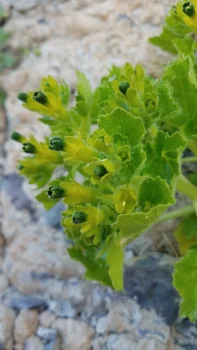
Rock Nettle: A Delicate Desert Native Worth Protecting
Meet rock nettle (Eucnide rupestris), a charming little desert wildflower that’s as tough as the rocky landscapes it calls home. This annual native might not be the showiest plant in your garden, but it brings a special kind of understated beauty to dry landscapes – and it desperately needs our help to survive.
What Makes Rock Nettle Special
Rock nettle is a native forb that belongs in the same conversation as other cherished southwestern wildflowers. As an annual plant, it completes its entire life cycle in one growing season, producing delicate white flowers that seem to glow against desert rocks. The plant gets its common name from its rough, textured leaves and its preference for rocky habitats.
Botanically known as Eucnide rupestris (with the synonym Sympetaleia rupestris), this little beauty is currently found in Arizona and California, where it clings to life in increasingly fragmented desert ecosystems.
- Species observed
- No observations
A Plant in Need of Protection
Here’s where things get serious: rock nettle has a Global Conservation Status of S3, meaning it’s considered vulnerable. With typically only 21 to 100 occurrences and between 3,000 and 10,000 individuals remaining in the wild, this plant is walking a tightrope toward extinction. If you’re considering adding rock nettle to your garden, please – and we cannot stress this enough – only source it from reputable native plant nurseries that propagate their own stock responsibly.
Garden Appeal and Landscape Role
Rock nettle might be small, but it packs personality into every inch. Its white flowers feature prominent stamens that create a delicate, almost ethereal appearance. While it won’t dominate your landscape, it serves as a perfect accent plant in:
- Rock gardens and xeriscapes
- Desert-themed landscapes
- Native plant collections
- Conservation gardens
As a forb (a non-woody flowering plant), rock nettle stays low to the ground and works beautifully as understory planting among larger desert shrubs or as a delicate carpet between rocks and boulders.
Growing Conditions and Care
Rock nettle thrives in USDA hardiness zones 8-10, making it suitable for warm, dry climates. Here’s what this desert native needs to flourish:
- Sunlight: Full sun exposure
- Soil: Well-draining, rocky or sandy soil (drainage is absolutely critical)
- Water: Minimal water requirements once established
- Climate: Tolerates heat and drought exceptionally well
Planting and Care Tips
Since rock nettle is an annual, you’ll need to either collect seeds (where legally permitted) or purchase new plants each year. Here’s how to give them their best shot:
- Plant in fall or early spring when temperatures are cooler
- Ensure excellent drainage – this plant will rot in soggy conditions
- Water sparingly, even during establishment
- Allow plants to go to seed naturally to encourage self-sowing
- Avoid fertilizing, as desert natives prefer lean soils
Supporting Pollinators
Though small, rock nettle pulls its weight in supporting local ecosystems. The flowers attract native bees and flies, providing nectar and pollen for these important pollinators. Every plant you grow responsibly sourced helps maintain these crucial pollinator relationships.
The Bottom Line
Rock nettle represents both an opportunity and a responsibility. It’s a beautiful, authentic way to connect with the natural heritage of the American Southwest, but only if we approach it with respect and care. If you live in zones 8-10 and love the idea of supporting a vulnerable native species, rock nettle could be a meaningful addition to your garden.
Just remember: source responsibly, plant thoughtfully, and take pride in knowing you’re helping preserve a piece of our natural heritage. In a world where so many plants are disappearing, every garden that welcomes native species like rock nettle becomes a small but vital conservation sanctuary.