Rock Willow: A Hardy Native Shrub for Northern Gardens
If you’re looking for a tough, low-maintenance shrub that can handle whatever Mother Nature throws at it, meet the rock willow (Salix vestita). This unassuming native might not win any flashy flower contests, but it’s got character, resilience, and a whole lot of ecological benefits packed into its compact frame.
What Makes Rock Willow Special?
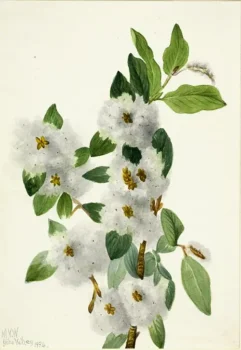
Rock willow is a perennial, multi-stemmed shrub that typically stays under 13-16 feet tall, though it’s often much shorter in harsh growing conditions. What really sets this little willow apart are its distinctive leaves – they’re oval to elliptical with a secret weapon: a dense, woolly coating on the underside that gives them a lovely silvery appearance. It’s like nature gave this plant its own built-in winter coat!
You might also see this plant listed under several botanical synonyms, including Salix fernaldii, Salix leiolepis, or various varieties of Salix vestita, but they’re all referring to our hardy rock willow.
Where Rock Willow Calls Home
This scrappy shrub is native to both Canada and the lower 48 states, with a range that spans some seriously cold territory. You’ll find rock willow naturally growing across Alberta, British Columbia, Manitoba, Nova Scotia, Ontario, Quebec, Nunavut, Montana, Oregon, Washington, and the Labrador-Newfoundland region. If you live in any of these areas, you’re getting a true local!
- Species observed
- No observations
Why Your Garden (and Local Wildlife) Will Love Rock Willow
Rock willow isn’t just another pretty shrub – it’s a hardworking member of the ecosystem. In spring, it produces small catkins that are among the earliest sources of pollen and nectar for hungry bees and other pollinators emerging from winter. It’s like setting up a breakfast buffet right when everyone’s hungriest!
From a design perspective, rock willow shines in:
- Rock gardens (hence the name!)
- Alpine and naturalized landscapes
- Erosion control projects
- Low borders and ground cover applications
- Cold-climate gardens where other shrubs struggle
Growing Conditions: Keep It Simple
One of rock willow’s best features is its easygoing nature. This adaptable shrub thrives in USDA hardiness zones 2-6, making it perfect for gardeners in colder climates who often feel left out of the gardening fun.
Here’s what rock willow needs to be happy:
- Light: Full sun to partial shade
- Soil: Moist to moderately dry – it’s quite flexible
- Drainage: Can handle both wetland and non-wetland conditions
- Maintenance: Practically none once established
Planting and Care Tips
The beauty of rock willow is that it doesn’t ask for much. Plant it in spring or fall, give it a good watering to get established, and then step back and watch it do its thing. It tolerates poor soils like a champ and won’t throw a tantrum if you forget to water it occasionally.
The only care it might appreciate is occasional pruning to maintain shape or remove any dead branches, but even that’s optional. This is definitely a plant it and forget it kind of shrub – perfect for busy gardeners or those new to native plants.
The Bottom Line
Rock willow might not be the showiest plant in your garden, but it’s definitely one of the most reliable. If you’re gardening in a cold climate and want a native shrub that supports local wildlife while requiring minimal fuss, rock willow deserves a spot in your landscape. It’s proof that sometimes the best plants are the ones that quietly do their job while asking for almost nothing in return.
Plus, there’s something satisfying about growing a plant that’s perfectly adapted to your local conditions – it’s like welcoming a longtime neighbor into your yard.