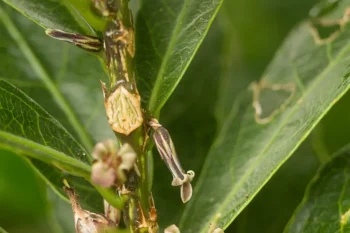
Rockcliff Isodendrion: A Rare Hawaiian Treasure Worth Protecting
If you’re passionate about Hawaiian native plants and conservation, you may have heard whispers about the elusive rockcliff isodendrion. This isn’t your typical garden center find – it’s one of Hawaii’s most endangered shrubs, clinging to life on remote cliffsides across the islands.
What Is Rockcliff Isodendrion?
Rockcliff isodendrion (Isodendrion laurifolium) is a perennial shrub that’s as rare as it is remarkable. This multi-stemmed woody plant typically stays under 13-16 feet tall, making it a manageable size for specialized gardens. Don’t let its modest stature fool you though – this little survivor has been battling extinction while most of us have never even heard its name.
You might also encounter this plant listed under several scientific synonyms, including Isodendrion forbesii, Isodendrion lydgatei, and Isodendrion waianaeense, thanks to the complex history of botanical classification.
Where Does It Come From?
This shrub is exclusively native to Hawaii, where it has made rocky cliffs and challenging terrain its home for countless generations. You won’t find this plant growing naturally anywhere else on Earth – it’s a true Hawaiian endemic.
- Species observed
- No observations
Why This Plant Needs Our Attention
Here’s where things get serious: rockcliff isodendrion has a Global Conservation Status of S1, meaning it’s critically imperiled. In plain English? There are typically only 5 or fewer populations left, with fewer than 1,000 individual plants remaining in the wild. The U.S. government has listed it as Endangered, which puts it in the same category as pandas and tigers.
Should You Grow Rockcliff Isodendrion?
The short answer is: only if you’re absolutely committed to conservation and can source plants responsibly. This isn’t a casual weekend gardening project – it’s a conservation mission.
Growing Conditions and Care
If you’re determined to help preserve this species, here’s what you need to know:
- Climate: USDA hardiness zones 10-11 only – this plant needs tropical to subtropical conditions year-round
- Soil: Excellent drainage is crucial; rocky, well-draining soils that mimic its native cliff habitat
- Light: Partial shade to full sun, depending on your local conditions
- Water: Moderate watering, but avoid waterlogged conditions at all costs
The Reality Check
Let’s be honest – this plant is incredibly difficult to grow outside its natural habitat. Most attempts at cultivation require specialized knowledge, controlled environments, and often professional greenhouse facilities. It’s not the kind of plant you can pick up care tips for on gardening forums.
How You Can Help
Instead of trying to grow rockcliff isodendrion in your backyard, consider these alternatives:
- Support Hawaiian native plant conservation organizations
- Choose other native Hawaiian plants that are less endangered for your garden
- Visit botanical gardens that specialize in Hawaiian native plant conservation
- Donate to habitat preservation efforts in Hawaii
The Bottom Line
Rockcliff isodendrion represents both the incredible diversity of Hawaiian flora and the urgent need for plant conservation. While most of us won’t be growing this rare shrub in our gardens, we can all play a role in ensuring it doesn’t disappear forever. Sometimes the best way to love a plant is to protect its wild home rather than trying to tame it in our own backyards.
If you’re inspired to work with Hawaiian natives, consider starting with more readily available species while supporting the dedicated scientists and conservationists working to save treasures like the rockcliff isodendrion for future generations.