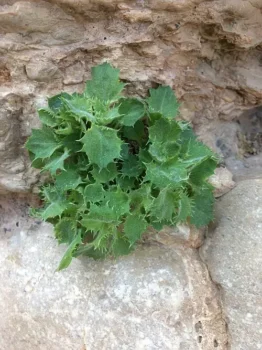
Rocklady: California’s Rarest Native Snapdragon
Meet the rocklady (Holmgrenanthe petrophila), one of California’s most endangered native wildflowers. This tiny perennial forb might have a charming common name, but its story is anything but ordinary. With fewer than 1,000 individuals remaining in the wild, rocklady represents one of our state’s most critically imperiled plant treasures.
A Flower on the Brink
Rocklady holds the sobering distinction of having a Global Conservation Status of S1, meaning it’s critically imperiled. With typically five or fewer known populations and very few remaining individuals, this rare native is teetering on the edge of extinction. This isn’t a plant you’ll stumble across on weekend hikes – it’s restricted to very specific rocky habitats that are becoming increasingly rare.
Where Rocklady Calls Home
This California endemic has an extremely limited range within the Golden State. As its scientific name suggests (petrophila means rock-loving), rocklady has evolved to thrive in specialized rocky environments that most other plants can’t tolerate.
- Species observed
- No observations
What Makes Rocklady Special
As a member of the snapdragon family, rocklady is a herbaceous perennial forb – meaning it’s a non-woody plant that comes back year after year. Like its more common snapdragon relatives, it likely produces small tubular flowers that attract native pollinators like tiny bees and flies. However, its exact appearance and growing habits remain somewhat mysterious due to its extreme rarity.
Why You Shouldn’t Try to Grow Rocklady
Conservation comes first. With so few individuals left in the wild, every single rocklady plant is precious. Here’s why this species should remain off-limits for home gardeners:
- Collecting seeds or plants from wild populations could push the species closer to extinction
- The plant has highly specialized habitat requirements that are nearly impossible to replicate in gardens
- Even well-intentioned cultivation could disrupt ongoing conservation efforts
- Commercial propagation isn’t available due to the species’ critical status
Appreciate from Afar
The best way to help rocklady is to support habitat conservation and choose alternative native plants for your garden. California has hundreds of beautiful native wildflowers that aren’t critically endangered and will thrive in cultivated settings.
Better Native Alternatives
If you’re drawn to California’s native snapdragon relatives, consider these garden-friendly options instead:
- Sticky monkey flower (Diplacus aurantiacus) – gorgeous orange blooms
- Scarlet monkey flower (Erythranthe cardinalis) – bright red tubular flowers
- Blue-eyed grass (Sisyrinchium bellum) – delicate purple-blue flowers
- California poppies (Eschscholzia californica) – the state flower that’s perfect for gardens
Supporting Conservation
While you can’t grow rocklady in your garden, you can still make a difference. Support organizations working to protect California’s rare plants, choose native alternatives for your landscape, and spread awareness about the importance of plant conservation. Sometimes the most beautiful thing we can do for a rare plant is to simply let it be.
Rocklady’s story reminds us that not every native plant belongs in our gardens – some are too rare and special to risk disturbing. By respecting these botanical treasures and choosing abundant native alternatives, we can create beautiful landscapes while helping preserve California’s irreplaceable natural heritage for future generations.