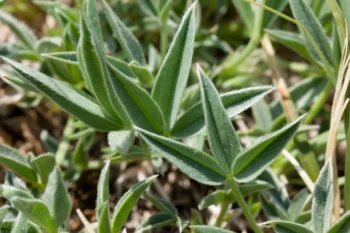
Rocky Mountain Clover: A High-Altitude Native Worth Knowing
If you’re looking to add a touch of authentic Rocky Mountain wilderness to your garden, Rocky Mountain clover (Trifolium attenuatum) might just be the perfect addition. This charming perennial forb brings the rugged beauty of high-altitude meadows right to your backyard, complete with delicate flowers and the classic three-leaflet clover appearance we all know and love.
What Makes Rocky Mountain Clover Special?
Rocky Mountain clover is a true native of the American West, naturally occurring in the mountainous regions of Colorado and New Mexico. As a perennial forb, it lacks the woody stems of shrubs and trees, instead producing soft, herbaceous growth that dies back each winter and returns fresh each spring. This hardy little plant has earned its place in high-elevation ecosystems, thriving where many other plants struggle.
Where Does It Call Home?
This clover species has a relatively limited native range, growing naturally in Colorado and New Mexico’s mountainous terrain. You’ll typically find it in montane and subalpine zones, where it has adapted to the challenging conditions of high-altitude life including intense UV radiation, temperature fluctuations, and well-draining rocky soils.
- Species observed
- No observations
A Word of Caution: Rarity Matters
Before you rush out to find Rocky Mountain clover for your garden, there’s something important to consider. This species has a conservation status of S3S4, which indicates it may face some conservation concerns. While this doesn’t mean you shouldn’t grow it, it does mean you should be extra careful about sourcing. Always purchase from reputable native plant nurseries that propagate their own stock rather than collecting from wild populations.
Garden Appeal and Design Potential
Rocky Mountain clover produces the classic clover flowers you’d expect – small, rounded clusters of white to pale pink blooms that appear delicate yet resilient. The trifoliate leaves (those characteristic three-part clover leaves) create an attractive, low-growing carpet of green that works beautifully as:
- Ground cover in native plant gardens
- Accent plantings in rock gardens
- Components of wildflower meadows
- Specimens in alpine garden collections
Perfect Garden Companions
This clover thrives in gardens that mimic its natural high-elevation habitat. Consider it for:
- Alpine and rock gardens with excellent drainage
- Native plant restoration projects
- Xeriscaping designs focused on water conservation
- Specialized collections of Rocky Mountain flora
Growing Conditions: Meeting Its Needs
Successfully growing Rocky Mountain clover means recreating a bit of its mountain home. This plant likely thrives in USDA hardiness zones 4-7, preferring:
- Well-draining soils that don’t stay soggy
- Full sun to partial shade exposure
- Protection from excessive moisture
- Rocky or sandy soil conditions
The key to success is remembering that this plant evolved in environments where water drains quickly and roots don’t sit in wet soil for extended periods.
Planting and Care Tips
Growing Rocky Mountain clover successfully requires attention to its mountain origins:
- Plant in spring after the last frost date
- Ensure excellent drainage – consider raised beds or slopes
- Avoid overwatering; this plant prefers to dry out between waterings
- Mulch lightly with gravel or small stones rather than organic mulch
- Be patient – mountain plants often establish slowly but prove incredibly durable once settled
Supporting Local Wildlife
Like other clover species, Rocky Mountain clover likely provides valuable nectar for pollinators including native bees and butterflies. By growing this plant, you’re not just adding beauty to your garden – you’re supporting the intricate web of relationships that make mountain ecosystems function.
The Bottom Line
Rocky Mountain clover offers gardeners a chance to grow a piece of authentic Rocky Mountain wilderness. While its rarity status means you should source it responsibly, this native perennial can reward patient gardeners with charming flowers and the satisfaction of supporting local ecosystems. Just remember to provide the well-draining conditions it craves, and you’ll likely find this mountain native to be a delightful and resilient addition to the right garden setting.